
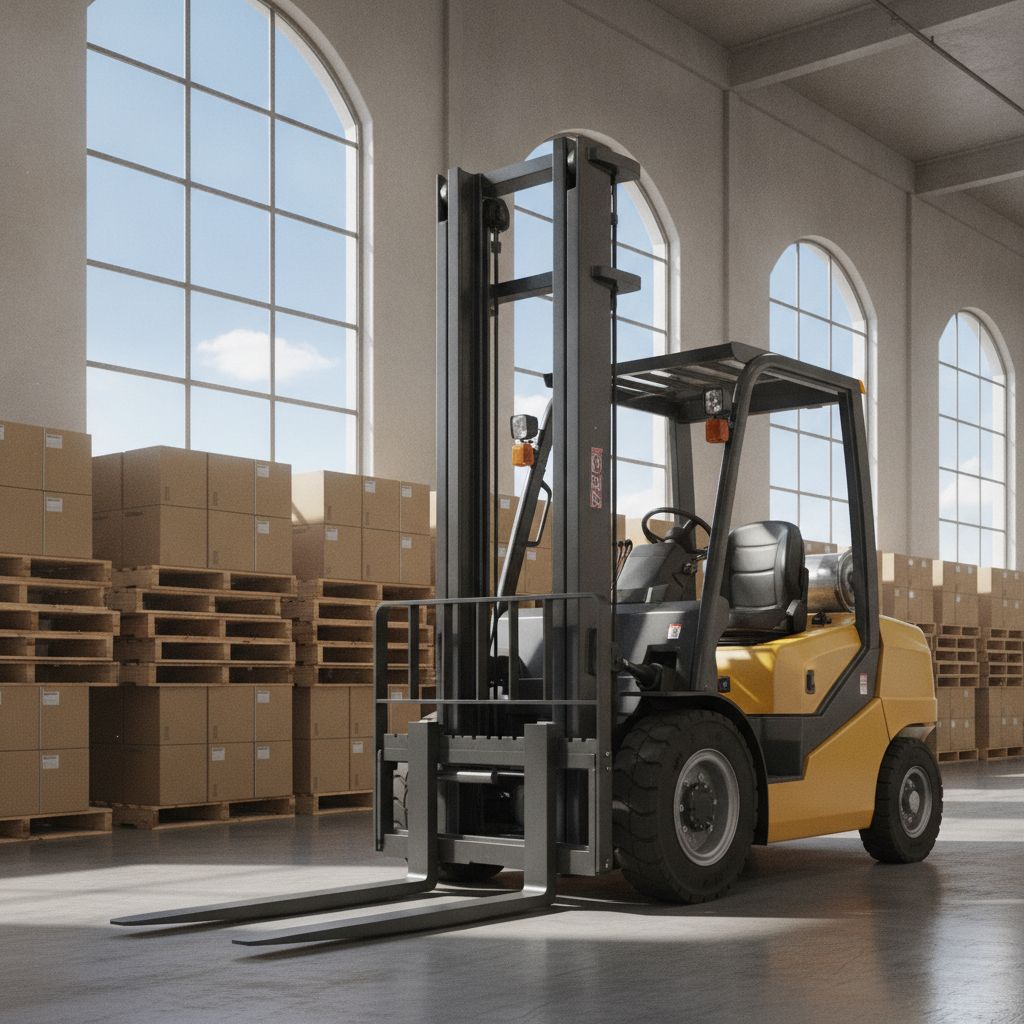
Forklifts are the workhorses of Texas warehouses, construction sites, and distribution centers, especially in bustling communities like Rockwall. Keeping these machines running smoothly is essential for local businesses, but even the best-maintained forklifts are prone to certain parts wearing out or failing over time. If you’ve ever faced sudden downtime, you know how disruptive and costly it can be. That’s why understanding which forklift parts fail most often, and how to plan ahead, can make a world of difference for your operation. Whether you’re managing a small fleet or just one or two trucks, being proactive about Forklift Repair Rockwall TX can help you avoid unexpected breakdowns, keep your team safe, and maximize productivity. In this guide, we’ll break down the most failure-prone components, explain why they matter, and share practical strategies to stay ahead of the curve. Let’s dive into the real-world challenges and solutions every Texas forklift owner should know.
Why Forklift Parts Fail in Texas Conditions
Texas is known for its extreme weather, from scorching summers to sudden downpours. These conditions can be especially tough on forklifts. High heat can dry out seals and hoses, while humidity and dust can accelerate corrosion and wear on moving parts. In Rockwall and surrounding areas, forklifts often operate both indoors and outdoors, exposing them to a wider range of environmental stressors than in many other regions. Add to this the heavy loads and frequent use typical of local businesses, and it’s no surprise that certain forklift components are under constant strain.
Understanding the unique challenges of Texas operations is the first step in developing a smart maintenance strategy. When you know what to expect, you can schedule inspections and replacements before problems escalate. For more insights on local support and expert solutions, check out Forklift Rescue.
The Most Commonly Failing Forklift Parts
Some forklift parts are simply more prone to failure than others, especially under the demanding conditions found in Texas. Here’s a closer look at the components that most often need repair or replacement:
- Hydraulic hoses and seals – susceptible to cracking and leaks due to heat and pressure fluctuations.
- Batteries and electrical connectors – affected by temperature swings and humidity, leading to corrosion and poor conductivity.
- Tires – wear down quickly on rough outdoor surfaces and can develop flats or blowouts.
- Brake components – pads, drums, and lines can degrade faster with heavy use and dust exposure.
- Mast chains and rollers – essential for lifting, these parts can stretch or seize if not regularly lubricated.
Each of these parts plays a crucial role in your forklift’s performance and safety. Ignoring early warning signs can lead to bigger failures and extended downtime. To understand how diagnostics can help catch issues before they become costly, explore How Forklift Electrical Diagnostics Help Rockwall Operations Catch Intermittent Failures Early.
Warning Signs Your Forklift Needs Attention
Catching problems early is the key to minimizing downtime and repair costs. But what should you look for? Here are some of the most common warning signs that a forklift part is about to fail:
- Unusual noises, such as grinding, squealing, or clunking when lifting or steering.
- Visible leaks under the machine, especially hydraulic fluid or oil.
- Warning lights on the dashboard or error codes appearing intermittently.
- Difficulty starting, sluggish acceleration, or loss of power.
- Uneven tire wear, flat spots, or visible cracks in the rubber.
Operators and maintenance teams should be trained to spot these symptoms during daily checks. Addressing them promptly can prevent minor issues from snowballing into major repairs. For a deeper dive into what local businesses can watch for, see Common Forklift Repair Problems Rockwall, TX Businesses Can Spot Before Downtime Grows.
Hydraulic System Failures and Prevention
The hydraulic system is the heart of your forklift’s lifting capability. In Texas, heat and dust can accelerate the breakdown of hydraulic hoses, seals, and pumps. If a hose bursts or a seal fails, you could face both a safety hazard and a costly repair. Regularly checking for leaks, monitoring fluid levels, and replacing worn hoses before they fail are essential steps. Using the right hydraulic fluid for Texas temperatures can also extend component life. Consider scheduling more frequent inspections during the hottest months, when failures are most likely.
Proactive maintenance, such as flushing the hydraulic system and replacing filters, helps prevent contamination that can damage valves and pumps. Keeping a log of service intervals and part replacements makes it easier to spot patterns and plan ahead for replacements, reducing the risk of sudden downtime.
Electrical and Battery Issues in Forklifts
Forklift batteries and electrical systems are especially vulnerable to Texas’s fluctuating temperatures and humidity. Batteries can lose charge capacity quickly in the heat, and corroded connectors may cause intermittent failures or prevent the forklift from starting altogether. It’s important to check battery water levels, clean terminals, and inspect wiring for signs of wear or corrosion on a regular basis.
For electric forklifts, using chargers with temperature compensation features can help extend battery life. For all models, ensuring tight, clean connections and replacing worn cables before they fail will keep your machines running reliably. Training staff on proper battery charging and handling can also prevent accidental damage and extend the life of these expensive components.
Tire Wear and Damage in Texas Yards
Tires are one of the most frequently replaced forklift parts, especially for machines that operate on rough or uneven surfaces common in Texas yards. Heat, sharp debris, and constant turning can cause tires to wear unevenly, develop flat spots, or even blow out. Pneumatic tires are especially vulnerable to punctures, while solid tires can crack over time.
Regular tire inspections should be part of your daily checklist. Look for signs of excessive wear, embedded objects, or sidewall damage. Rotating tires and maintaining proper inflation (for pneumatic types) can extend their lifespan. Keeping spare tires on hand and knowing how to change them quickly can prevent extended downtime when a failure occurs.
Brake System Failures and Safety Risks
Forklift brakes are put to the test every day, especially in busy Texas operations where quick stops are frequent. Dust, heat, and heavy loads can cause brake pads to wear out faster, and brake fluid can degrade over time. If you notice squealing, grinding, or a spongy feel when braking, it’s time for an inspection.
Regularly checking brake pads, drums, and lines for wear or leaks is essential for safety. Replacing worn components before they fail entirely can prevent accidents and keep your operation compliant with safety standards. Consider scheduling brake checks as part of your monthly maintenance routine, especially during peak seasons when forklifts are in constant use.
Mast Chains, Rollers, and Lifting Components
The mast assembly, chains, rollers, and bearings, handles the heavy lifting on every forklift. Over time, these parts can stretch, seize, or wear out, especially if they’re not properly lubricated. In Texas’s dusty environments, grit can work its way into moving parts, accelerating wear and increasing the risk of sudden failure.
Inspect mast chains for signs of stretching or rust, and check rollers for smooth movement. Lubricate all moving parts regularly and replace any components that show signs of excessive wear. Keeping a close eye on the mast assembly is crucial for both safety and productivity, as a failure here can put your entire operation on hold.
Planning Ahead: Building a Preventive Parts Strategy
The best way to avoid unexpected breakdowns is to plan ahead. A preventive parts strategy involves tracking usage, scheduling routine inspections, and replacing high-risk components before they fail. Start by creating a maintenance calendar based on manufacturer recommendations and your own operational experience. Keep detailed records of part replacements and repairs to identify patterns and anticipate future needs.
Stocking critical spare parts, like hydraulic hoses, brake pads, and tires, on-site can dramatically reduce downtime when a failure occurs. Work with a trusted local supplier to ensure you have access to quality parts quickly. Training your team to recognize early warning signs and empowering them to report issues promptly will also help keep your fleet in top shape.
How to Choose the Right Replacement Parts
Not all forklift parts are created equal. When it’s time to replace a component, choosing the right part is crucial for reliability and safety. Genuine OEM parts are designed to meet the manufacturer’s specifications and typically offer the best fit and performance. However, high-quality aftermarket parts can also be a cost-effective option for some applications.
Work with suppliers who understand the unique demands of Texas operations and can recommend parts that stand up to local conditions. Always verify compatibility with your forklift’s make and model, and ask about warranties or guarantees. Investing in quality parts may cost more upfront, but it pays off in reduced downtime and longer service life.
Quick Reference: Forklift Parts Most at Risk
| Part | Common Failure Cause | Prevention Tip |
|---|---|---|
| Hydraulic Hoses | Heat, pressure, age | Inspect for cracks, replace regularly |
| Batteries | Temperature swings, corrosion | Clean terminals, check water levels |
| Tires | Rough surfaces, debris | Inspect daily, rotate, keep spares |
| Brake Pads | Heavy use, dust | Monthly checks, replace as needed |
| Mast Chains | Lack of lubrication, dust | Lubricate regularly, inspect for wear |
Working With Local Forklift Repair Experts
Partnering with experienced forklift repair professionals in the area can make all the difference when it comes to minimizing downtime and keeping your fleet in top condition. Local technicians understand the specific challenges posed by Texas weather and work environments. They can help you develop a customized maintenance plan, provide rapid response for emergency repairs, and offer advice on sourcing the best replacement parts for your needs.
Building a relationship with a trusted repair partner means you’ll have expert support when you need it most. Look for service providers with strong reputations, transparent pricing, and a commitment to customer education. The right partnership can help you stay ahead of common failures and keep your operation running smoothly year-round.
The Bottom Line
Forklift downtime is never convenient, but it’s especially disruptive for small businesses and busy operations in Texas. By understanding which parts are most likely to fail and taking proactive steps to maintain and replace them, you can reduce costly interruptions and keep your team safe. Whether you’re handling repairs in-house or working with local experts, a smart maintenance plan is your best defense against unexpected breakdowns. Stay vigilant, keep essential parts on hand, and don’t hesitate to seek advice from professionals who know the challenges of this community. With the right approach, your forklifts will be ready to handle whatever the Texas workday throws at them.