
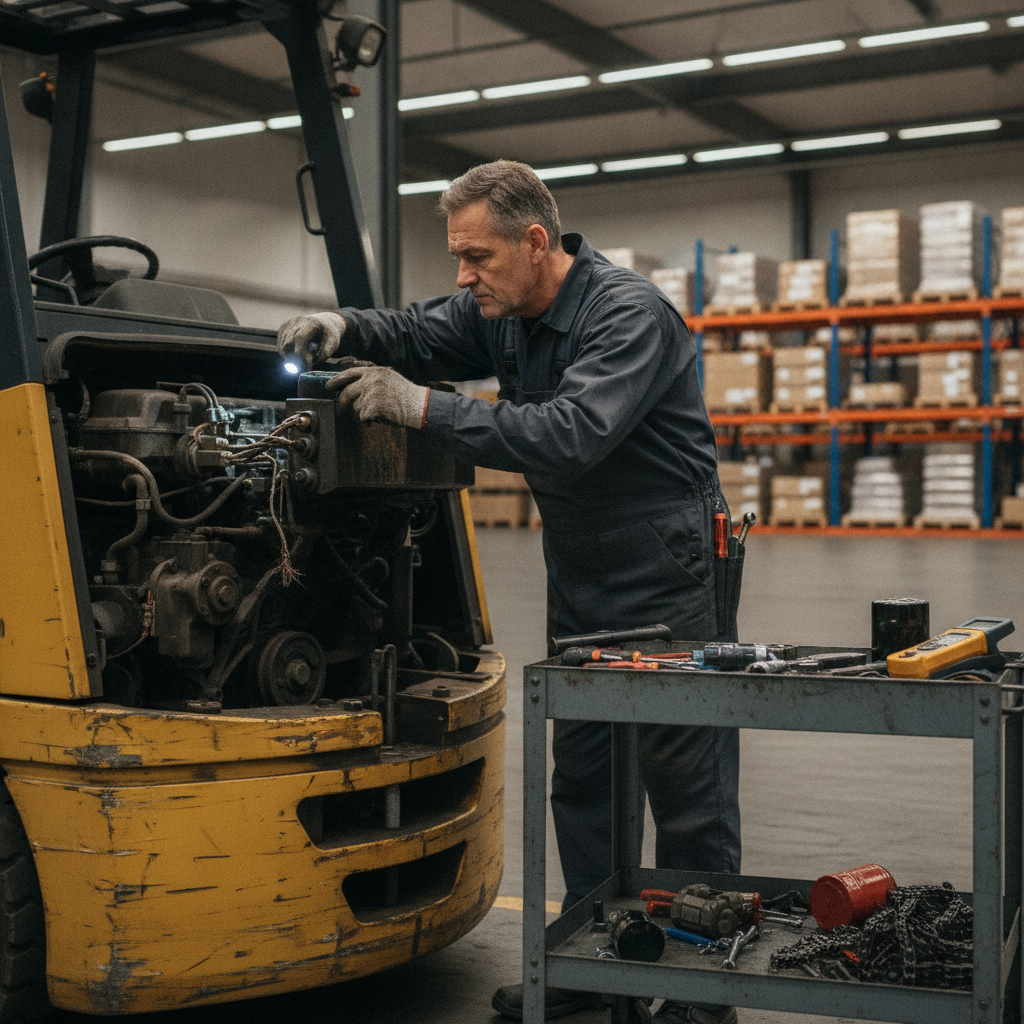
Forklifts are the backbone of many small businesses, warehouses, and construction sites in the area. When a forklift breaks down, operations can grind to a halt, leading to costly downtime and missed deadlines. That’s why understanding common issues related to Forklift Repair Rockwall TX is crucial for business owners and managers who want to keep their equipment running smoothly. By learning to spot early warning signs and addressing problems before they escalate, you can save money, protect your team, and keep productivity high. In this guide, we’ll explore the most frequent forklift repair challenges, explain how to recognize them, and share practical tips for preventing minor issues from becoming major setbacks. Whether you manage a single lift or a small fleet, these insights will help you stay ahead of repairs and avoid unnecessary disruptions.
Recognizing Early Warning Signs of Forklift Trouble
Catching forklift problems early is the key to preventing unexpected downtime. Operators and supervisors should be trained to notice subtle changes in performance, sounds, or handling. For example, if a forklift suddenly takes longer to start, emits unusual noises, or feels sluggish during operation, these could be the first signs of a developing issue. Pay attention to warning lights on the dashboard, as these are designed to alert you to problems with the engine, hydraulics, or electrical systems.
Another early indicator is inconsistent lifting or lowering speeds. If the forks hesitate, jerk, or move unevenly, it could signal hydraulic leaks or pump problems. Likewise, visible fluid leaks under the machine, especially near the mast or wheels, should never be ignored. Even minor oil spots can point to seal failures or hose wear that, if left unchecked, can lead to much bigger repairs.
Regularly inspecting tires for excessive wear, cracks, or flat spots is also essential. Uneven tire wear can affect stability and may indicate alignment or suspension issues. By documenting and reporting these early warning signs, your team can schedule repairs with Forklift Rescue before a minor issue becomes a costly breakdown.
The Impact of Hydraulic System Failures
Hydraulic systems are at the heart of every forklift, powering the lift and tilt functions that move heavy loads. When hydraulic components start to fail, the consequences can be immediate and severe. Common symptoms include slow or jerky lifting, loss of power, or the inability to hold a load at height. These issues often stem from worn seals, cracked hoses, or contaminated hydraulic fluid.
One of the most overlooked causes of hydraulic trouble is neglecting fluid maintenance. Dirty or low hydraulic fluid can accelerate wear on pumps and valves, leading to expensive repairs. Regularly checking fluid levels and replacing filters as recommended by the manufacturer can dramatically extend the life of your forklift’s hydraulic system.
If you notice a drop in lifting capacity or hear whining noises from the pump, it’s time to investigate. Prompt attention to these symptoms can prevent a total system failure. For business owners comparing service options, the Top 3 Forklift Dealers in Rockwall, TX for 2026: Eagle, Sunbelt, and URentit Compared article can help you find reliable local support for hydraulic repairs and parts.
Electrical Issues That Can Halt Operations
Modern forklifts rely heavily on electrical systems for ignition, lighting, safety sensors, and even drive functions in electric models. Electrical faults can be difficult to diagnose, but some telltale signs include flickering lights, intermittent power loss, or dashboard warning indicators. In some cases, a forklift may refuse to start, or critical functions like horn, backup alarm, or lights may stop working unexpectedly.
Corroded battery terminals, loose wiring connections, or blown fuses are common culprits. Moisture and vibration in warehouse environments can accelerate electrical wear and tear. It’s important to regularly inspect wiring harnesses for fraying or exposed wires, and to keep battery terminals clean and tight. For electric forklifts, battery health is paramount, look for signs of swelling, leaking, or reduced run time.
If your team notices any electrical irregularities, schedule a professional inspection before the problem escalates. Rental solutions can also help bridge the gap during repairs. Sunbelt Rentals Rockwall: Your Local Source for Forklift Rentals on TX-276 offers flexible options to keep your operation moving while your equipment is serviced.
Preventing Costly Tire and Wheel Problems
Tire and wheel issues are among the most common causes of forklift downtime. Worn or damaged tires not only compromise safety but also reduce traction and stability, increasing the risk of accidents. Solid tires can develop flat spots or cracks, while pneumatic tires may suffer punctures or slow leaks. Regularly inspecting tires for tread depth, sidewall integrity, and proper inflation is essential for safe operation.
Wheel bearings and axles should also be checked for excessive play or unusual noises. Ignoring these early signs can result in catastrophic wheel failure, which may damage the forklift frame or cause a tip-over. It’s wise to keep a log of tire replacements and rotate tires as needed to ensure even wear. Investing in high-quality replacement tires and scheduling routine inspections can prevent unexpected breakdowns and extend the life of your equipment.
In this community, many businesses rely on local service providers for tire maintenance. By partnering with experienced technicians, you can proactively address wear and avoid costly repairs down the line.
Engine and Transmission Challenges in Daily Use
The engine and transmission are the powerhouse of any forklift, whether it’s powered by gasoline, diesel, propane, or electricity. Over time, these components are subject to significant stress, especially in demanding work environments. Common engine issues include hard starting, stalling, excessive smoke, or loss of power. Transmission problems might show up as difficulty shifting gears, unusual noises, or erratic movement.
Routine maintenance such as oil changes, air filter replacements, and regular inspections can help catch these problems early. Listen for any knocking, grinding, or whining sounds coming from the engine or transmission area. These noises often precede more serious failures. It’s also important to monitor fluid levels and look for signs of contamination or leaks.
If your forklift starts to lose performance or vibrates more than usual, don’t delay in seeking professional assessment. Addressing minor issues promptly can prevent major repairs and keep your operation running smoothly throughout the year.
How Operator Habits Can Affect Forklift Longevity
The way forklifts are operated has a direct impact on their lifespan and repair needs. Aggressive driving, overloading, abrupt stops, and sharp turns can all accelerate wear on critical components. Operators who neglect daily checks or ignore minor warning signs may inadvertently contribute to more frequent breakdowns.
Training your operators to follow best practices is one of the most effective ways to reduce repair costs. Encourage habits like gentle acceleration, smooth braking, and careful maneuvering around obstacles. Remind your team to always check fluid levels, inspect tires, and test safety features at the start of each shift. A culture of accountability and proactive maintenance can make a significant difference in how often your forklifts need repairs.
Many businesses in the region have found success by implementing operator checklists and recognizing employees who consistently follow safety protocols. These small steps can add up to substantial savings and improved equipment reliability over time.
Seasonal Factors That Influence Forklift Repairs
Weather and seasonal changes can have a significant impact on forklift performance. In the colder months, batteries may struggle to hold a charge, hydraulic fluids can thicken, and tires may lose pressure more rapidly. Conversely, extreme heat can cause engines to overheat, accelerate fluid evaporation, and increase the risk of tire blowouts.
It’s important to adjust your maintenance schedule to account for these seasonal factors. For example, switching to winter-grade hydraulic fluids, checking battery health more frequently, and inspecting cooling systems can help prevent weather-related breakdowns. Dusty or muddy conditions after rain can also clog filters and increase wear on moving parts.
By anticipating the effects of changing seasons, you can proactively address potential problems before they impact your business. Local technicians often offer seasonal maintenance packages tailored to the specific needs of the area, helping you stay prepared year-round.
Comparing DIY Repairs and Professional Service
When a forklift shows signs of trouble, business owners face a decision: attempt a do-it-yourself fix or call in a professional. While some minor repairs, like replacing a fuse or topping off fluids, can be handled in-house, more complex issues require specialized knowledge and tools. Attempting to fix hydraulic leaks, electrical faults, or engine problems without proper training can lead to further damage or even safety hazards.
Professional forklift technicians have access to diagnostic equipment, manufacturer resources, and genuine replacement parts. They can quickly identify the root cause of a problem and perform repairs that meet safety standards. In many cases, investing in expert service saves money in the long run by preventing repeat breakdowns and extending equipment life.
For small businesses, a balanced approach often works best: handle simple maintenance tasks internally, but rely on professionals for major repairs or when safety is at stake. This strategy minimizes downtime and ensures your forklifts remain in peak condition.
Maintenance Scheduling: Keeping Repairs Predictable
A proactive maintenance schedule is your best defense against unexpected forklift repairs. By tracking usage hours, service intervals, and past repair history, you can anticipate when key components will need attention. Many businesses use maintenance logs or digital tracking systems to stay organized and ensure no critical task is overlooked.
Scheduling regular inspections allows you to catch wear and tear before it leads to breakdowns. Common tasks include checking fluid levels, inspecting hoses and belts, testing safety features, and cleaning filters. These routine checks help identify minor issues early and prevent them from escalating into major repairs.
The table below outlines a sample forklift maintenance schedule that can be adapted to your operation’s needs:
| Maintenance Task | Recommended Frequency | Notes |
|---|---|---|
| Check fluid levels (oil, hydraulic, coolant) | Daily | Before each shift |
| Inspect tires and wheels | Weekly | Look for wear, cracks, and pressure |
| Test safety features (horn, lights, alarms) | Daily | Ensure all are functional |
| Change engine oil and filters | Every 250 hours | Follow manufacturer guidelines |
| Inspect hydraulic hoses and seals | Monthly | Check for leaks and damage |
| Battery inspection (electric forklifts) | Weekly | Clean terminals, check charge |
Customizing your schedule based on equipment usage and environment will help you get the most from your investment and avoid unplanned outages.
When to Retire or Replace a Forklift
Even the best-maintained forklifts have a finite lifespan. As equipment ages, repair costs can start to outweigh the benefits of keeping it in service. Signs that it may be time to retire or replace a forklift include frequent breakdowns, escalating maintenance expenses, and declining performance despite regular service.
Other factors to consider are changes in your business needs, such as increased load requirements or stricter safety regulations. Newer models often offer improved efficiency, enhanced safety features, and lower operating costs. When evaluating whether to repair or replace, consider the total cost of ownership, including downtime, lost productivity, and the value of newer technology.
Consulting with a trusted local dealer or service provider can help you make an informed decision that fits your budget and operational goals. Many businesses in the region choose to upgrade their fleets gradually, phasing out older units as needed.
Final Thoughts
Staying ahead of forklift repair problems is all about vigilance, training, and a proactive approach to maintenance. By recognizing early warning signs, understanding the most common issues, and fostering good operator habits, small businesses can avoid costly downtime and keep their operations running smoothly. Whether you handle simple fixes in-house or rely on professional technicians for more complex repairs, the key is to act before minor problems become major disruptions. With a solid maintenance schedule and a commitment to ongoing training, your forklifts will serve your business reliably for years to come. Remember, a little attention today can save you time, money, and stress tomorrow.