Buying a used forklift can be a strategic move for small business owners, warehouse managers, and anyone looking to maximize value in their equipment investments. However, the process comes with its own set of challenges. Unlike purchasing new, used forklifts require a careful eye for detail and a solid understanding of what makes a machine reliable and safe for daily operations. If you’re exploring Forklift Sales Rockwall TX or nearby, knowing exactly what to inspect before committing can save you from costly repairs, downtime, and safety headaches down the line. This guide provides a comprehensive, step-by-step checklist to help you evaluate used forklifts like a pro. Whether you’re new to material handling or an experienced operator, this article will arm you with the knowledge to make a confident, informed purchase. Let’s dive into the essentials every buyer should know before signing on the dotted line for a used forklift.
Why Used Forklifts Make Sense for Growing Businesses
For many small and mid-sized companies, purchasing a used forklift is a practical way to stretch budgets without sacrificing operational capability. New forklifts can be a hefty investment, and for businesses with moderate lifting needs or fluctuating workloads, the cost of brand-new equipment may not be justified. Used forklifts, when properly inspected and maintained, can deliver years of reliable service at a fraction of the price.
There’s also the advantage of immediate availability. Unlike new models that may require waiting for delivery or assembly, used forklifts are often ready to be put to work right away. This is especially valuable for operations that need to scale up quickly or replace a downed machine without delay. Additionally, many reputable dealers in the area offer warranties or service packages on used equipment, further reducing risk for buyers.
Of course, not all used forklifts are created equal. The key is to find a machine that has been well cared for and is suited to your specific application. Partnering with a trusted provider like Forklift Rescue can help ensure you’re getting a quality unit that matches your needs and budget. By following a thorough inspection checklist, you can avoid hidden issues and make a purchase that supports your business growth for years to come.
Understanding the True Value of a Used Forklift
When evaluating a used forklift, price is only one part of the equation. The true value lies in how well the machine will perform over time, its expected maintenance needs, and how closely it fits your operational requirements. A low purchase price may seem attractive, but if the forklift requires frequent repairs or doesn’t have the capacity you need, it can quickly become a liability.
Consider the total cost of ownership. This includes not just the upfront price, but also anticipated maintenance, fuel or battery expenses, and potential downtime. Ask for maintenance records and check for signs of consistent servicing. A forklift with a documented service history is generally a safer bet than one with gaps or missing information. Additionally, look for models with readily available parts and support to minimize future headaches.
Another factor is the machine’s compatibility with your existing fleet and facility. Will it fit through your aisles and doorways? Does it have the lift height and capacity your jobs demand? Thinking through these details now will help you avoid costly modifications or workflow disruptions later. For more insights on common issues to watch for, check out Common Forklift Repair Problems Rockwall, TX Businesses Can Spot Before Downtime Grows.
Essential Pre-Purchase Inspection Steps
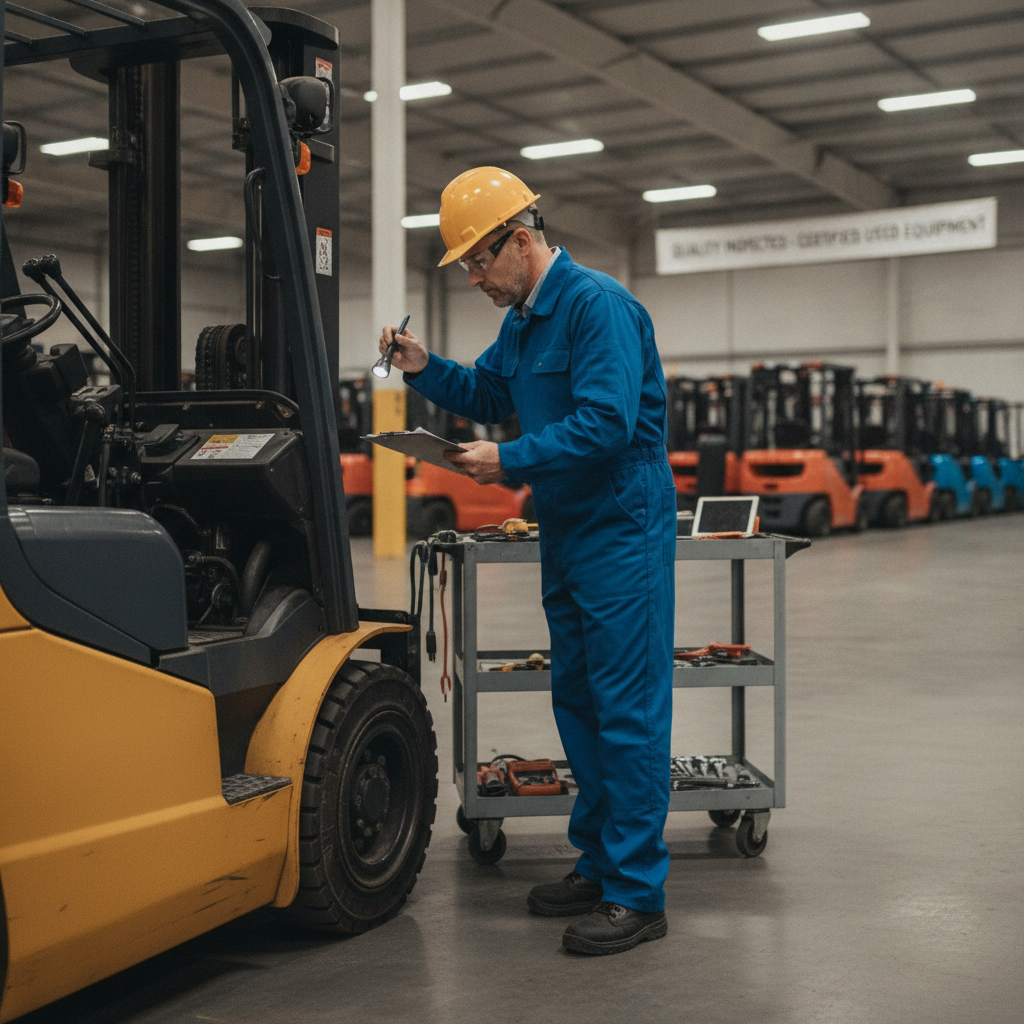
A thorough inspection is the cornerstone of any smart used forklift purchase. Start with a visual walkaround, noting the overall condition of the forklift. Look for obvious signs of wear, damage, or neglect, such as rust, dents, or missing parts. Check the tires for excessive wear or uneven tread, which could indicate alignment or suspension issues.
Next, inspect the mast and forks. Make sure the forks are straight and free of cracks or bends, and that the mast moves smoothly without grinding or sticking. Test the hydraulic system by raising and lowering the forks several times, checking for leaks or jerky movements. Don’t forget to examine the chains, hoses, and cylinders for wear or leaks.
The operator’s compartment should be clean and all controls, gauges, and safety features (like seat belts and lights) should function properly. Start the engine and listen for unusual noises. Check for excessive smoke, which could be a sign of engine trouble. Finally, take the forklift for a short test drive, paying attention to steering, braking, and overall handling. For buyers interested in the long-term benefits of ownership, Forklift Ownership in Rockwall, TX: When Buying Makes Sense for Growing Operations offers valuable perspectives.
Inspecting the Mast and Lifting Mechanism
The mast is the heart of any forklift, responsible for raising and lowering loads safely and efficiently. Begin your inspection by checking the mast rails for bends, cracks, or signs of welding repairs. Any visible damage here can compromise the structural integrity of the forklift and pose a safety risk.
Cycle the mast through its full range of motion. It should move smoothly without binding or jerking. Listen for unusual noises, such as grinding or squealing, which may indicate worn bearings or lack of lubrication. Inspect the lift chains for rust, kinks, or uneven tension. Chains should be evenly tensioned and well-lubricated, with no missing or damaged links.
Check the hydraulic cylinders for leaks at the seals, and look for any signs of fluid on the mast or ground. Even minor leaks can worsen over time, leading to costly repairs. Finally, ensure the fork carriage moves freely and locks securely in place. A faulty mast or lifting mechanism can result in dropped loads or serious accidents, so never skip this critical step.
Evaluating Engine, Transmission, and Hydraulics
The powertrain, engine, transmission, and hydraulic system, determines how well your forklift will perform under load. Begin by starting the engine and letting it idle. Listen for knocks, rattles, or excessive vibration, which can signal internal wear. Check the exhaust for color; blue or black smoke may indicate burning oil or fuel issues.
Shift the transmission through all gears, noting any hesitation, slipping, or rough transitions. A smooth-shifting transmission is essential for safe operation. Inspect hydraulic fluid levels and look for leaks around hoses, pumps, and cylinders. Test the lift and tilt functions under load, watching for slow response or uneven movement.
Regular maintenance is key to longevity, so ask the seller for service records, including oil changes, filter replacements, and major repairs. If possible, have a qualified technician perform a diagnostic scan to catch hidden issues. A well-maintained powertrain is a strong indicator of a forklift’s remaining useful life and can save you from expensive repairs down the road.
Checking Safety Features and Operator Comfort
Safety should never be compromised, especially when it comes to heavy equipment. Inspect all safety features, including seat belts, horns, lights, backup alarms, and mirrors. Each should be in good working order, as these are essential for protecting operators and bystanders alike.
Examine the overhead guard for structural integrity and ensure it’s securely attached. Test the parking brake and service brakes for reliable stopping power. Check the condition of the tires, as worn or damaged tires can affect stability and traction.
Operator comfort is also important for productivity and safety. Make sure the seat is adjustable, free of tears, and provides adequate support. Controls should be easy to reach and operate smoothly. Good visibility from the operator’s position is crucial for maneuvering in tight spaces. Investing in a forklift with strong safety and comfort features pays dividends in reduced accidents and happier employees.
Reviewing Forklift Maintenance Records and History
A forklift’s maintenance history can reveal much about its condition and reliability. Request detailed service records from the seller, including dates and descriptions of all maintenance and repairs. Look for evidence of regular oil changes, filter replacements, and inspections. Gaps in the maintenance log or vague entries may be red flags.
Ask about major repairs, such as engine overhauls, transmission replacements, or hydraulic work. While some repairs are normal for high-hour machines, repeated fixes in the same area may indicate chronic issues. Verify that any replacement parts are from reputable manufacturers and installed by qualified technicians.
If possible, contact previous owners or operators to get firsthand feedback on the forklift’s performance and reliability. A well-documented history not only increases your confidence in the purchase but can also help with future resale value. Always prioritize forklifts with transparent, thorough maintenance records over those with missing or incomplete documentation.
Assessing Battery and Electrical Systems
For electric forklifts, the battery is a critical component that directly impacts performance and operating costs. Begin by inspecting the battery for signs of corrosion, leaks, or physical damage. Check the age of the battery and ask about its charging history. Batteries typically have a finite lifespan, so an older or poorly maintained battery may need replacement soon.
Test the forklift’s electrical systems, including lights, horn, and dashboard indicators. All should function correctly. Faulty wiring or intermittent electrical issues can be difficult and expensive to diagnose. If the forklift uses a propane or diesel engine, inspect the starter, alternator, and ignition system for proper operation.
A well-maintained electrical system ensures consistent performance and reduces the risk of unexpected breakdowns. If you’re unsure about the condition of the battery or electrical components, consider having a professional technician perform a load test or diagnostic check before finalizing your purchase.
Comparing Forklift Types and Features
Not all forklifts are created equal, and selecting the right type for your business can make a significant difference in efficiency and safety. Consider your typical load weights, lift heights, and operating environment. Counterbalance forklifts are versatile and popular for indoor warehouses, while reach trucks excel in narrow aisles. Rough terrain forklifts are designed for outdoor use and uneven surfaces.
Evaluate key features such as side shifters, fork positioners, and attachments that can enhance productivity. Some forklifts offer advanced ergonomic controls, digital displays, or telematics for fleet management. Weigh the benefits of each feature against your actual needs to avoid overpaying for unnecessary extras.
It’s also wise to consider the availability of replacement parts and local support for your chosen model. Brands with a strong service network in the region can help minimize downtime and keep your operation running smoothly. Take the time to compare options and consult with experts to ensure you’re making the best choice for your business.
| Forklift Type | Best For | Key Features |
|---|---|---|
| Counterbalance | General indoor/outdoor use | Simple design, versatile, easy to operate |
| Reach Truck | Narrow aisles, high racking | Extended reach, compact size |
| Rough Terrain | Outdoor, uneven surfaces | Large tires, high ground clearance |
| Order Picker | Picking individual items from racking | Operator platform, high lift |
Negotiating Price and Understanding Warranties
Once you’ve identified a forklift that meets your needs and passes inspection, it’s time to discuss price and warranty terms. Research comparable models and recent sales to establish a fair market value. Be prepared to negotiate based on the forklift’s age, condition, and service history. Sellers may be willing to adjust the price if you identify minor issues during your inspection.
Ask about available warranties or service agreements. Some dealers offer limited warranties on used equipment, covering major components for a set period. Understand exactly what is included and what is excluded. A warranty can provide peace of mind and protect you from unexpected repair costs during the initial months of ownership.
Don’t hesitate to request documentation for any recent repairs or upgrades. This can strengthen your negotiating position and help you make an informed decision. Remember, the goal is to secure a reliable forklift at a fair price, with clear terms that support your business’s operational needs.
Legal, Regulatory, and Environmental Considerations
Before finalizing your purchase, ensure the forklift complies with all applicable safety and environmental regulations. Check that the machine has a valid data plate with accurate capacity ratings and that it meets Occupational Safety and Health Administration (OSHA) standards for your industry. If you plan to use the forklift indoors, verify that emissions meet local air quality requirements.
Ask the seller for documentation of previous inspections and certifications. If the forklift was previously used in a different region, confirm that it is legal to operate in your area. Environmental regulations may restrict certain engine types or require additional equipment, such as catalytic converters or particulate filters.
Taking the time to review these details can prevent costly compliance issues and ensure a smooth transition into your operation. If you’re unsure about any legal or regulatory requirements, consult with a local expert or your insurance provider for guidance.
Final Thoughts
Investing in a used forklift can be a smart move for businesses in this community, offering significant savings and flexibility when approached with care. By following a detailed inspection checklist and considering factors like maintenance history, safety features, and regulatory compliance, you can minimize risk and maximize value. Remember to take your time, ask plenty of questions, and don’t hesitate to seek professional advice if needed. With the right approach, your next used forklift purchase will be a reliable asset that supports your business’s growth for years to come.