
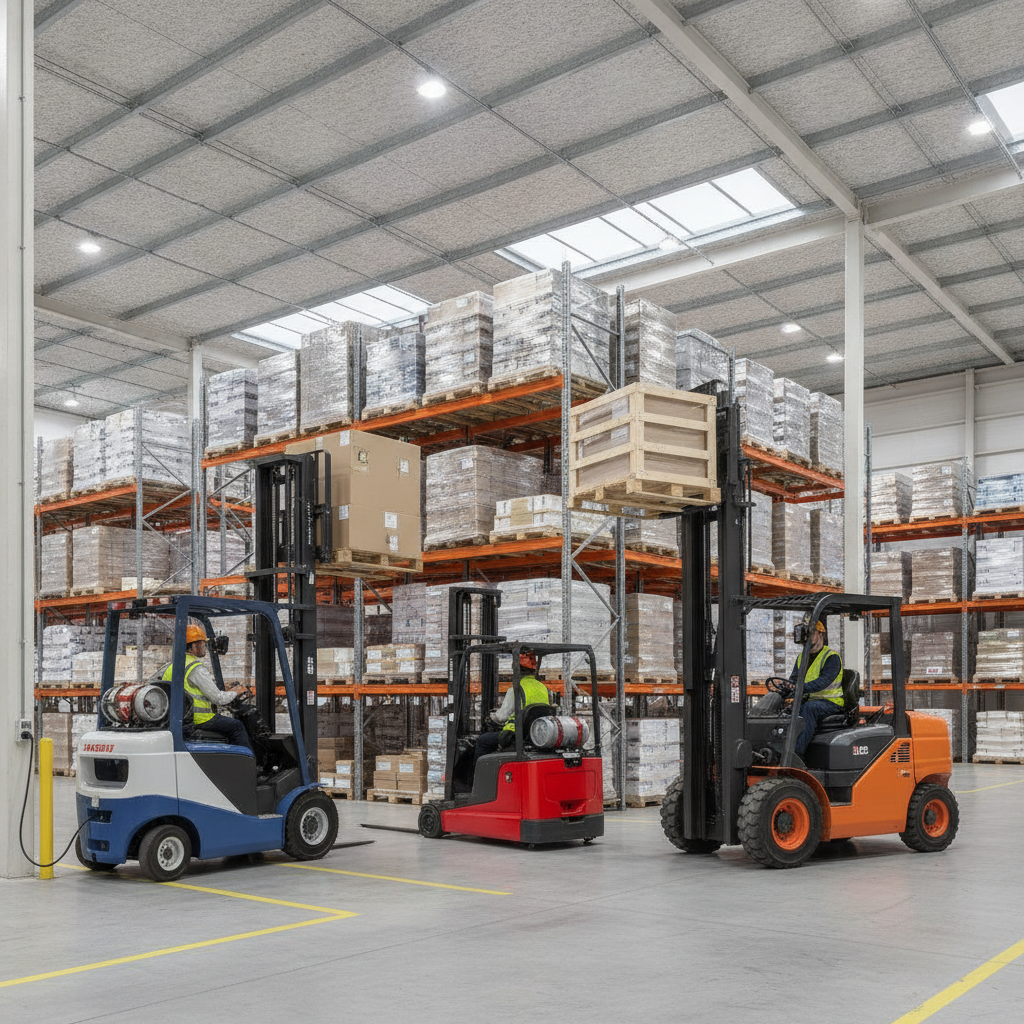
If you’re a small business owner, developer, or anyone managing a project in the area, you know that choosing the right equipment can make or break your job’s efficiency. When it comes to heavy lifting, few machines are as essential as the forklift. But with so many options, electric, propane, diesel, it’s easy to feel overwhelmed. That’s why understanding the strengths and limitations of each type, especially when considering Forklift Rentals Rockwall TX providers, is crucial. Whether you’re working indoors, outdoors, or somewhere in between, your choice impacts everything from cost and productivity to safety and environmental impact. In this guide, we’ll break down the differences, help you match the right forklift to your unique needs, and share real-world insights to help you rent with confidence.
Understanding Forklift Power Sources
Before you can select the best forklift for your project, it’s important to get familiar with the three main power sources: electric, propane, and diesel. Each comes with its own set of advantages and challenges, and the right choice often depends on your specific job site, application, and priorities.
Electric forklifts are powered by rechargeable batteries and are known for their quiet operation and zero emissions. Propane forklifts use liquid propane gas (LPG) tanks, offering a balance between indoor and outdoor capability. Diesel forklifts, on the other hand, are the workhorses of outdoor and heavy-duty applications, delivering robust power and long run times.
Understanding these differences is the first step to making a smart rental decision. For more detailed guidance on local options and expert support, Forklift Rescue is a trusted resource in the industry.
Electric Forklifts: Clean, Quiet, and Efficient
Electric forklifts are increasingly popular for businesses prioritizing sustainability, indoor air quality, and low operating noise. These machines run on rechargeable batteries, making them ideal for warehouses, retail stores, and food processing facilities where emissions and noise must be minimized.
The benefits of electric forklifts include zero tailpipe emissions, which helps meet indoor air quality standards and creates a safer environment for workers. Their quiet operation also reduces noise pollution, which is especially valuable in settings where communication and concentration are key.
However, electric forklifts require dedicated charging infrastructure and careful battery management. Charging takes several hours, so you’ll need to plan for downtime or have spare batteries on hand for multi-shift operations. Additionally, electric models typically have lower lifting capacities compared to their diesel or propane counterparts, making them best suited for lighter loads and smooth, even surfaces.
If you’re seeing warning lights or experiencing performance issues with your electric forklift, it’s essential to address them early. For more on this, check out Why Forklift Warning Lights in Rockwall, TX Need a Diagnostic Check Before Bigger Repairs for tips on diagnostics and maintenance.
Propane Forklifts: Versatility for Indoor and Outdoor Jobs
Propane forklifts offer a unique blend of power and flexibility, making them a favorite for businesses that need to operate both indoors and outdoors. Unlike diesel forklifts, propane models produce fewer emissions, which allows them to be used in well-ventilated indoor spaces. At the same time, they provide more power and longer run times than electric forklifts, especially in demanding environments.
One of the biggest advantages of propane forklifts is the quick refueling process. Swapping out a propane tank takes just a few minutes, eliminating the downtime associated with battery charging. This makes them ideal for operations that can’t afford to stop, such as busy warehouses or construction sites with tight schedules.
However, propane forklifts still produce some emissions, so they’re best suited for areas with good ventilation. They also require regular maintenance of the fuel system and engine to ensure safe operation. When considering rental costs, keep in mind that propane fuel is an ongoing expense, and prices can fluctuate.
For a breakdown of what you can expect to pay for different forklift types and rental durations, see Rockwall, TX Forklift Rental Costs: Daily, Weekly, and Monthly Rates Explained.
Diesel Forklifts: Power for Heavy-Duty Demands
Diesel forklifts are the go-to choice for heavy-duty outdoor applications, such as construction sites, lumber yards, and large-scale industrial projects. These machines deliver high torque and can handle the heaviest loads, rough terrain, and extended shifts without breaking a sweat.
The robust engines in diesel forklifts make them ideal for moving large pallets, containers, or materials over uneven ground. They also offer longer run times between refueling compared to propane or electric models, which is a major advantage for jobs that demand continuous operation.
However, diesel forklifts are not suitable for indoor use due to their exhaust emissions and noise levels. They also require regular maintenance to keep the engine and emission systems running efficiently. For businesses in this community that need maximum lifting capacity and reliability outdoors, diesel remains the top pick, but it’s important to factor in fuel costs and environmental considerations.
Matching Forklift Types to Your Job Site
Selecting the right forklift isn’t just about power, it’s about matching the machine to your specific environment and tasks. Indoor warehouses with smooth floors and tight aisles are best served by electric forklifts, which are compact and maneuverable. If your operation transitions from inside to outside, propane forklifts offer the flexibility to handle both settings without sacrificing too much power or creating excessive emissions.
For outdoor projects with rough terrain or heavy materials, diesel forklifts are the clear winner. Their rugged design and high lifting capacity make them indispensable for construction, agriculture, and large-scale material handling. Always consider the surface, load weight, and how often you’ll need to refuel or recharge. The right fit ensures safety, efficiency, and a smoother workflow.
Comparing Maintenance and Operating Costs
Operating and maintaining forklifts is a significant part of your total rental investment. Electric forklifts typically have lower maintenance costs because they have fewer moving parts and no internal combustion engine. However, battery replacement can be expensive, and proper charging routines are critical to prolong battery life.
Propane forklifts require regular checks of the fuel system and engine, but their maintenance is generally less intensive than diesel models. Diesel forklifts, while powerful, need frequent oil changes, filter replacements, and emission system checks, which can add up over time.
When budgeting for your project, factor in not just the rental rate but also the expected fuel or electricity costs, maintenance requirements, and potential downtime for repairs or charging. This holistic view will help you avoid surprises and keep your project on track.
Environmental Considerations and Local Regulations
Environmental impact is an increasingly important factor for businesses renting forklifts. Electric models are the most eco-friendly, producing zero emissions at the point of use and helping companies meet sustainability goals. Propane forklifts offer a middle ground, with lower emissions than diesel but still requiring proper ventilation indoors.
Diesel forklifts, while powerful, are subject to stricter regulations regarding emissions, especially in urban or residential areas. Always check local guidelines to ensure your chosen forklift type complies with air quality and noise ordinances. Many rental providers can advise on the best options for your job site to help you stay compliant and environmentally responsible.
Safety Features and Operator Training
No matter which forklift you choose, safety should always be your top priority. Modern forklifts come equipped with a range of safety features, including backup alarms, seat belts, stability systems, and warning lights. Electric models are often favored for indoor use because they don’t emit fumes, reducing health risks for operators.
Propane and diesel forklifts require operators to be vigilant about ventilation and proper handling of fuel. All operators should be trained and certified according to OSHA standards, and regular safety checks should be part of your daily routine. Investing in operator training not only reduces the risk of accidents but can also improve productivity and extend the life of your rental equipment.
Cost Comparison Table: Electric, Propane, and Diesel Forklifts
| Feature | Electric | Propane | Diesel |
|---|---|---|---|
| Best For | Indoor, clean, quiet jobs | Indoor/outdoor, versatility | Outdoor, heavy-duty jobs |
| Emissions | None | Low | High |
| Noise Level | Very low | Moderate | High |
| Fuel/Charging Time | Several hours | Minutes (tank swap) | Minutes (refuel) |
| Maintenance | Low | Moderate | High |
| Typical Rental Cost | Moderate | Moderate | Higher |
How to Assess Your Forklift Rental Needs
Before you contact a rental provider, take the time to assess your project’s unique requirements. Consider the following questions:
- What is the maximum weight you need to lift?
- Will you be operating indoors, outdoors, or both?
- How much space do you have for maneuvering?
- How long will you need the forklift each day?
- Are there any environmental or noise restrictions?
By answering these questions, you’ll be better prepared to discuss your needs with rental companies and ensure you get the best equipment for the job.
Tips for a Smooth Forklift Rental Experience
Renting a forklift is about more than just picking a machine and signing a contract. To ensure a smooth experience, start by booking your rental well in advance, especially during peak construction seasons. Communicate your requirements clearly, including load capacities, work environment, and any special attachments you might need.
Inspect the equipment upon delivery and verify that all safety features are functioning. Make sure your operators are trained and familiar with the specific model you’ve rented. Keep the rental provider’s contact information handy in case you need support or have questions during your rental period. By being proactive, you’ll minimize downtime and keep your project running efficiently.
Final Thoughts
Choosing between electric, propane, and diesel forklifts isn’t just a matter of preference, it’s a strategic decision that impacts your job’s success, safety, and bottom line. By understanding the strengths and limitations of each type, assessing your unique project needs, and working with knowledgeable rental providers, you can ensure your next forklift rental is a perfect fit. Whether you’re managing a short-term project or a long-term operation in the region, making an informed choice will help you maximize productivity and avoid costly surprises. Take the time to weigh your options, ask questions, and invest in the right equipment for the job, you’ll thank yourself when the work goes smoothly and your team stays safe.