
Forklifts are the workhorses of warehouses, construction sites, and distribution centers, moving heavy loads with precision and speed. Yet, even the most reliable machines can develop issues over time, especially when warning lights appear on the dashboard. For small business owners, developers, and anyone relying on forklifts for daily operations, understanding why these warning lights matter is crucial. Ignoring them or jumping straight to expensive repairs can lead to unnecessary downtime and higher costs. Instead, a thorough diagnostic check is the smart first step. In this article, we’ll explore why forklift warning lights deserve immediate attention and how Forklift Diagnostics Rockwall TX services can help you catch problems early, keep your equipment running smoothly, and avoid bigger headaches down the road. Whether you’re managing a single lift or a growing fleet, knowing when and how to respond to those dashboard alerts could save you time, money, and stress.
Understanding Forklift Warning Lights and What They Mean
Forklift warning lights are designed to communicate vital information about your machine’s health. These lights, which may appear as icons, symbols, or color-coded indicators on the dashboard, alert operators to potential issues ranging from low oil pressure to electrical faults. Some warning lights require immediate action, while others indicate a condition that should be monitored or addressed soon. For example, a red warning light often signals a critical problem that could damage the forklift or compromise safety if ignored, while a yellow or orange light usually means maintenance is needed soon.
It’s important for operators and managers to familiarize themselves with the meaning of each warning light in their specific forklift model. Manufacturers provide detailed guides in the owner’s manual, but not all operators take the time to review them. This oversight can lead to confusion or, worse, neglect of a serious issue. When a warning light appears, it’s not just a nuisance, it’s a message from your machine that something needs attention.
Ignoring dashboard alerts can result in more than just inconvenience. Minor issues, if left unchecked, can escalate into major failures, leading to unexpected breakdowns and costly repairs. That’s why a professional diagnostic check is essential as soon as a warning light appears. By identifying the root cause early, you can prevent small problems from becoming big ones. For trusted local expertise, many businesses turn to Forklift Rescue for guidance on interpreting warning lights and scheduling timely diagnostics.
The Role of Diagnostics in Preventing Major Forklift Repairs
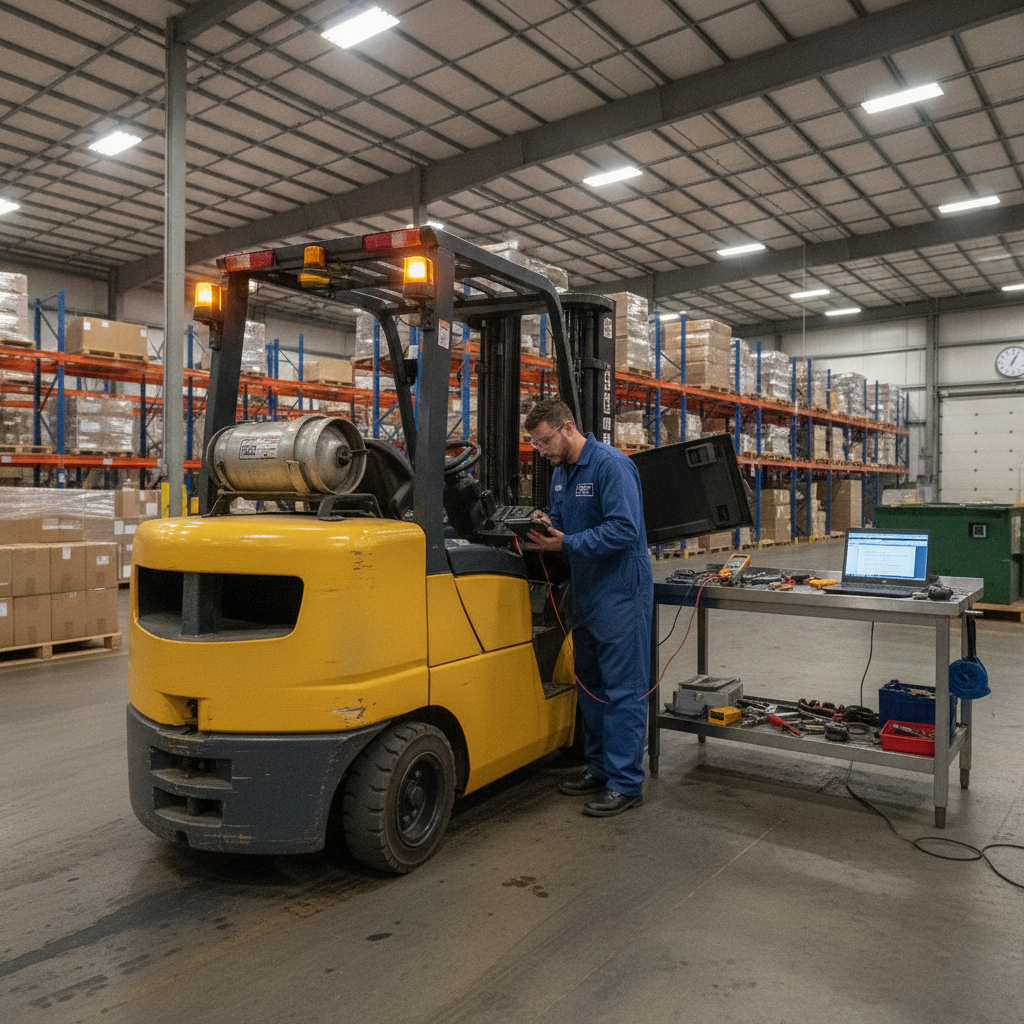
Forklift diagnostics go beyond simply reading error codes. Modern forklifts are equipped with sophisticated sensors and onboard computers that monitor everything from engine performance to hydraulic pressure and battery health. When a warning light appears, a diagnostic check uses specialized tools to access this data, pinpointing the exact source of the problem. This process can reveal hidden issues that aren’t immediately obvious, such as intermittent electrical faults or gradual component wear.
By conducting a diagnostic check at the first sign of trouble, you can avoid the domino effect that often leads to major repairs. For instance, a minor hydraulic leak detected early can be fixed with a simple seal replacement, while ignoring it could result in catastrophic system failure and expensive downtime. Diagnostics also help you prioritize repairs, allowing you to address urgent problems first and plan for less critical maintenance during scheduled service windows.
For small business owners and developers, this proactive approach translates into significant savings. You’ll spend less on emergency repairs, reduce the risk of extended downtime, and extend the lifespan of your equipment. For a comprehensive breakdown of how investing in diagnostics compares to the costs of full-scale repairs or replacements, check out Buying New vs. Used Forklifts in Rockwall TX: A Cost-Benefit Analysis for Local Businesses.
Common Warning Light Scenarios and Diagnostic Solutions
Forklift warning lights can signal a variety of issues, each with its own set of potential causes and solutions. Some of the most common scenarios include engine temperature warnings, low hydraulic fluid, battery charge alerts, and electrical system faults. Each of these requires a different diagnostic approach to identify the underlying problem and determine the best course of action.
For example, an engine temperature warning could indicate anything from a clogged radiator to a failing water pump. A diagnostic scan will check coolant levels, inspect hoses for leaks, and test the thermostat’s function. Similarly, a battery warning light might signal a loose connection, a failing alternator, or simply an aging battery that needs replacement. By systematically checking each component, a technician can isolate the issue and recommend the most cost-effective fix.
Hydraulic system warnings are particularly important to address promptly. Low fluid levels, pressure drops, or unusual noises may point to leaks or worn seals. Diagnostics can help pinpoint the exact location of the problem, preventing further damage to pumps or cylinders. For operations considering equipment upgrades or rentals, understanding the nuances between different forklift types can be valuable. Explore Electric vs. Cushion Tire Forklifts: Best Rentals for Rockwall Warehouses for insights on choosing the right machine for your needs.
How Diagnostics Save Money and Minimize Downtime
The true value of forklift diagnostics lies in their ability to prevent costly repairs and minimize operational downtime. Every hour a forklift is out of commission can translate into lost productivity, delayed shipments, and frustrated customers. By catching problems early, diagnostics enable you to schedule repairs during off-peak hours or coordinate with your team to minimize disruptions.
Consider the cost difference between replacing a worn-out sensor after a warning light appears versus waiting until the entire system fails. The former is a quick fix, while the latter might require extensive repairs, new parts, and even rental equipment to cover the gap. Diagnostics also help you avoid the “trial and error” approach, where technicians replace parts without fully understanding the root cause, leading to unnecessary expenses.
For small businesses, every dollar counts. Investing in diagnostics is a proactive strategy that pays off in the long run, ensuring your forklifts stay on the job and your operations run smoothly. This approach not only saves money but also builds confidence among your team, knowing that equipment issues are handled efficiently and effectively.
Why Forklift Warning Lights Should Never Be Ignored
It’s easy to dismiss a warning light as a minor annoyance, especially when your forklift seems to be operating normally. However, these lights are designed to alert you to conditions that could compromise safety, efficiency, or the longevity of your equipment. Ignoring them can have serious consequences, ranging from minor inconveniences to major accidents or equipment failure.
Forklift warning lights are your first line of defense against hidden problems. They provide early detection of issues that might otherwise go unnoticed until it’s too late. For example, a low oil pressure warning could indicate a slow leak that, if left unchecked, could lead to engine seizure. Similarly, a brake warning light might signal worn pads that could fail during a critical maneuver.
By responding promptly to warning lights and scheduling a diagnostic check, you demonstrate a commitment to safety and operational excellence. This proactive mindset not only protects your equipment but also ensures a safer working environment for your team. In the long run, addressing warning lights early is always the smarter, more cost-effective choice.
Key Benefits of Professional Forklift Diagnostics
While some operators may attempt to diagnose forklift issues themselves, professional diagnostics offer several advantages that DIY methods can’t match. Certified technicians use advanced diagnostic tools and software to access the forklift’s onboard computer, read error codes, and perform in-depth system checks. This level of analysis is essential for accurately identifying complex issues, especially in modern forklifts with integrated electronics and safety systems.
Professional diagnostics also come with the benefit of experience. Technicians are trained to recognize patterns and symptoms that might elude even the most attentive operator. They can spot early signs of wear, recommend preventive maintenance, and provide detailed reports that help you make informed decisions about repairs or replacements.
For businesses in the area, working with a trusted diagnostic provider means peace of mind. You’ll know that your forklifts are in good hands, and you’ll receive actionable insights that help you avoid unnecessary downtime and expenses. Investing in professional diagnostics is an investment in the long-term health and reliability of your equipment.
Table: Common Forklift Warning Lights and Diagnostic Actions
| Warning Light | Possible Cause | Diagnostic Action |
|---|---|---|
| Engine Temperature | Low coolant, radiator blockage, faulty thermostat | Check coolant levels, inspect radiator, test thermostat |
| Battery Warning | Low charge, bad alternator, loose connections | Test battery, inspect alternator, check wiring |
| Hydraulic System | Low fluid, leaks, worn seals | Inspect fluid levels, check for leaks, examine seals |
| Brake Warning | Worn pads, low fluid, sensor fault | Check brake pads, inspect fluid, scan for codes |
| Oil Pressure | Low oil, pump failure, sensor issue | Check oil level, test pump, replace sensor if needed |
How to Respond When a Warning Light Appears
When a forklift warning light comes on, it’s important to act quickly but calmly. The first step is to consult the forklift’s manual to identify the meaning of the light. If the warning indicates a critical issue, such as low oil pressure or overheating, shut down the machine immediately to prevent further damage. For less urgent alerts, schedule a diagnostic check at the earliest opportunity.
Documenting the warning light’s appearance, including the conditions under which it appeared and any unusual sounds or behaviors, can help technicians diagnose the problem more efficiently. Avoid attempting makeshift repairs or resetting the warning light without addressing the underlying issue, as this can mask the problem and lead to bigger headaches later.
Finally, communicate with your team about the status of the forklift and any necessary steps to ensure safety. By following a clear protocol when warning lights appear, you’ll maintain a safer work environment and protect your investment in equipment.
Choosing a Diagnostic Service Provider in the Area
Selecting the right diagnostic service provider is a critical decision for any business relying on forklifts. Look for technicians with experience in your specific forklift brands and models, as well as certifications from recognized industry organizations. A reputable provider will offer transparent pricing, detailed diagnostic reports, and recommendations tailored to your operation’s needs.
Ask about response times, availability for emergency calls, and whether the provider offers mobile diagnostics for on-site service. Local providers often have a better understanding of the unique challenges faced by businesses in this community, including climate, workload, and regulatory requirements. Building a relationship with a trusted diagnostic partner ensures that help is always available when you need it most.
Don’t hesitate to request references or read reviews from other businesses in the region. A strong track record of customer satisfaction is a good indicator of quality service and reliability.
Integrating Diagnostics Into Your Maintenance Routine
Making diagnostics a regular part of your forklift maintenance routine is one of the best ways to ensure long-term reliability. Scheduled diagnostic checks, even when no warning lights are present, can uncover early signs of wear or developing issues. This proactive approach helps you plan maintenance around your operational schedule, reducing the risk of unexpected breakdowns.
Work with your service provider to develop a maintenance plan that includes periodic diagnostics, fluid checks, and system inspections. Keep detailed records of all diagnostics and repairs, as this information can be invaluable for tracking equipment performance, identifying recurring issues, and making informed decisions about replacements or upgrades.
By integrating diagnostics into your maintenance strategy, you’ll maximize uptime, extend the life of your forklifts, and create a safer, more efficient workplace for your team.
Training Operators to Recognize and Report Warning Lights
Operator training is a crucial component of effective forklift maintenance. Ensuring that your team members can recognize and respond to warning lights empowers them to act quickly and appropriately when issues arise. Include warning light identification and reporting procedures in your training programs, and provide easy-to-understand reference materials for operators to consult on the job.
Encourage a culture of proactive reporting, where operators feel comfortable alerting supervisors to any warning lights or unusual machine behavior. Recognize and reward employees who help prevent equipment failures through timely reporting and responsible operation. By making warning light awareness a team effort, you’ll create a safer and more efficient workplace.
Regular refresher training sessions can help reinforce best practices and keep your team up to date on the latest forklift models and technologies. Investing in operator education pays dividends in reduced downtime, lower repair costs, and improved safety across your operation.
Final Thoughts
Forklift warning lights are more than just dashboard distractions, they’re vital signals that something needs attention. By prioritizing a diagnostic check when these lights appear, you can catch issues early, avoid costly repairs, and keep your operations running smoothly. Whether you manage a single forklift or a large fleet, investing in diagnostics is a smart, cost-effective strategy that protects your equipment and your bottom line. Train your team to recognize warning lights, partner with a trusted diagnostic provider, and make diagnostics a regular part of your maintenance routine. In the end, a little attention to those dashboard alerts can go a long way toward ensuring safety, reliability, and peace of mind for your business.