
For small business owners and warehouse managers, keeping forklifts running smoothly is essential for productivity and safety. When a forklift starts acting up, pinpointing the cause can be tricky, especially when the issue could be hidden deep within the hydraulic system, the engine, or one of the many sensors modern forklifts rely on. This is where Forklift Diagnostics Rockwall TX comes into play. A professional diagnostic scan can reveal problems that aren’t visible to the naked eye, saving you time, money, and headaches down the road. In this article, we’ll explore what a forklift diagnostic scan can uncover, how it works, and why it’s a game-changer for anyone who depends on these machines in their daily operation. Whether you’re a business owner, a developer overseeing logistics, or just curious about how these essential vehicles stay in top shape, you’ll gain valuable insights into the technology and techniques that keep forklifts moving.
How Forklift Diagnostic Scans Work
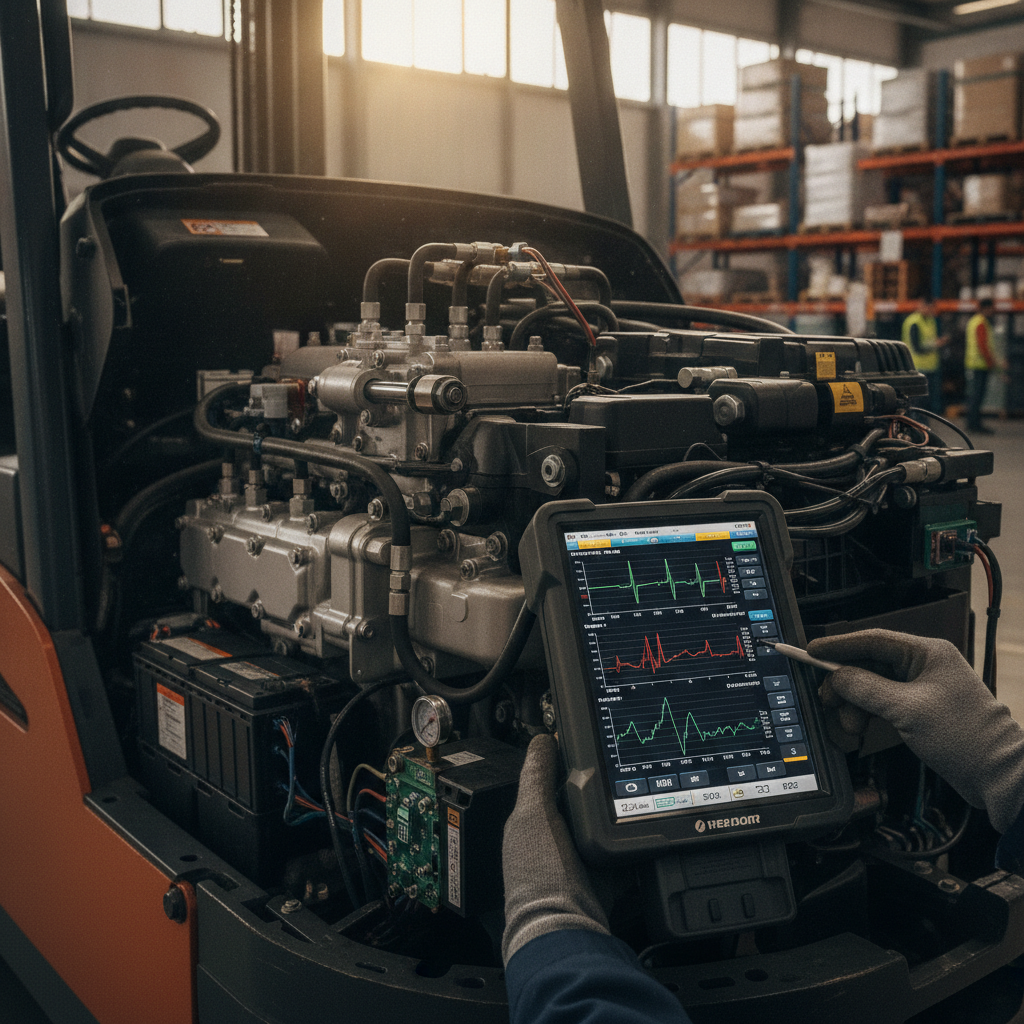
Forklift diagnostic scans are much like the checkups your car gets at the mechanic, but tailored for the unique needs of industrial equipment. These scans use specialized software and hardware to communicate with the forklift’s onboard computer. By plugging a diagnostic tool into the forklift’s data port, technicians can access a wealth of information about the machine’s performance, error codes, and system health. This process is especially valuable for identifying issues that might not trigger a warning light or obvious symptom.
The diagnostic tool reads data from various sensors and control modules, including those monitoring the engine, hydraulics, and safety systems. The scan can reveal everything from minor sensor discrepancies to major mechanical faults. For businesses in the area, using a service like Forklift Rescue ensures that technicians have the latest diagnostic technology and expertise. This approach not only speeds up troubleshooting but also helps prevent unnecessary part replacements and downtime.
In addition to reading error codes, advanced diagnostic scans can perform live data monitoring. Technicians can watch real-time readings as the forklift operates, helping them spot intermittent issues or performance drops that static tests might miss. This capability is particularly important for catching problems early, before they evolve into costly repairs or safety hazards.
Uncovering Hydraulic System Issues
Hydraulic systems are the muscle behind every forklift, powering the lift, tilt, and sometimes even the steering. When something goes wrong in the hydraulics, it can bring operations to a halt. Diagnostic scans play a crucial role in identifying hydraulic issues that may not be immediately visible. For example, low hydraulic pressure, worn seals, or failing pumps can all be detected through sensor readings and error codes.
A scan can reveal if the hydraulic fluid temperature is running higher than normal, which might indicate a restriction or a failing cooler. It can also detect pressure drops that suggest a leak or a weak pump. By catching these issues early, businesses can schedule repairs before a major breakdown occurs. For those considering long-term equipment investments, it’s worth reading resources like Why Rockwall Businesses Are Choosing to Buy Forklifts Instead of Renting: Long-Term Savings Guide to understand the cost benefits of proactive maintenance.
Hydraulic problems can also affect safety. For instance, a malfunctioning lift cylinder might cause the forks to drift downward unexpectedly, posing a risk to operators and nearby workers. Diagnostic scans help ensure that all hydraulic components are functioning within safe parameters, giving business owners peace of mind and reducing the likelihood of workplace accidents.
Diagnosing Engine Performance Problems
The engine is the heart of any forklift, and even minor issues can have a big impact on performance and fuel efficiency. Diagnostic scans are invaluable for uncovering engine problems that might otherwise go unnoticed. These scans can detect misfires, low compression, fuel delivery issues, and problems with ignition timing. They can also reveal sensor malfunctions that affect engine management, such as faulty oxygen sensors or mass airflow sensors.
Technicians use the scan data to analyze engine temperature, oil pressure, and exhaust emissions. If the engine is running too hot or burning too much fuel, the diagnostic tool will flag the problem, allowing for targeted repairs. This not only helps extend the life of the engine but also improves overall forklift efficiency. For businesses in the region, understanding the engine’s health can be a deciding factor when comparing equipment options. The guide on Top 3 Forklift Dealers in Rockwall, TX for 2026: Eagle, Sunbelt, and URentit Compared is a great resource for evaluating which models offer the best reliability and support.
Engine diagnostics also help prevent breakdowns that could disrupt operations. By identifying issues like clogged fuel filters or failing spark plugs early, businesses can avoid costly emergency repairs and unexpected downtime. This proactive approach to engine maintenance is a key advantage of regular diagnostic scans.
The Role of Sensors in Modern Forklifts
Modern forklifts are equipped with a network of sensors that monitor everything from load weight to engine temperature and hydraulic pressure. These sensors feed data to the forklift’s onboard computer, enabling precise control and safety features. However, when a sensor malfunctions or provides inaccurate readings, it can lead to performance issues or even unsafe conditions.
A diagnostic scan can quickly identify which sensor is at fault, whether it’s a temperature sensor, a pressure transducer, or a speed sensor. This targeted approach saves time compared to manual troubleshooting and reduces the risk of replacing parts unnecessarily. For example, if a forklift’s lift function is sluggish, a scan might reveal that a hydraulic pressure sensor is sending incorrect data, prompting a simple sensor replacement rather than a costly overhaul.
Sensors also play a vital role in compliance and reporting. Many forklifts used in regulated industries must maintain logs of operational data, such as emissions levels or lift cycles. Diagnostic scans help ensure that all sensors are functioning correctly, supporting both operational efficiency and regulatory compliance.
Common Warning Signs That Call for a Diagnostic Scan
While some forklift issues are obvious, others develop quietly over time. Recognizing the early warning signs can save your business from costly repairs and downtime. Here are some of the most common indicators that a diagnostic scan is needed:
- Unusual noises from the engine or hydraulics
- Sluggish or jerky lift and tilt functions
- Warning lights on the dashboard
- Inconsistent engine performance or stalling
- Hydraulic fluid leaks or overheating
- Unexpected changes in fuel consumption
If you notice any of these symptoms, it’s wise to schedule a diagnostic scan as soon as possible. Catching issues early not only protects your equipment but also ensures the safety of your operators and the smooth running of your business.
What a Diagnostic Report Tells You
After a forklift diagnostic scan, you’ll receive a detailed report outlining the health of your machine. This report typically includes a list of error codes, sensor readings, and system status updates. Understanding this information can help you make informed decisions about repairs, maintenance, and even equipment replacement.
A typical diagnostic report will break down issues by system, highlighting which areas need immediate attention and which can be monitored over time. For example, the report might show that the engine is running within normal parameters but flag a hydraulic pressure drop that needs to be addressed soon. This level of detail empowers you to prioritize repairs based on urgency and budget.
The report can also serve as a maintenance record, demonstrating that you’re proactively caring for your equipment. This can be valuable when negotiating with dealers, seeking warranty coverage, or planning future purchases. For small business owners, having a clear diagnostic history can even help with insurance claims or compliance audits.
Comparing Diagnostic Scan Results: A Sample Table
To better understand the value of diagnostic scans, here’s a sample table comparing results from three forklifts tested during routine maintenance. This comparison highlights how scans can reveal hidden issues and guide maintenance decisions.
| Forklift | Engine Status | Hydraulic System | Sensor Alerts | Recommended Action |
|---|---|---|---|---|
| Forklift A | Normal | Low pressure | Hydraulic temp sensor fault | Replace sensor, check for leaks |
| Forklift B | Misfire detected | Normal | O2 sensor alert | Inspect spark plugs, replace O2 sensor |
| Forklift C | Normal | Slight overheating | No alerts | Check hydraulic cooler, monitor temp |
As the table shows, even forklifts that appear to be running fine can have underlying issues. Diagnostic scans provide the clarity needed to address problems before they escalate.
Benefits of Regular Diagnostic Scans
Scheduling regular diagnostic scans for your forklifts offers several key benefits. First, it helps catch minor issues before they become major repairs. Early detection means you can plan maintenance around your operational schedule, minimizing disruption. Second, regular scans can extend the life of your equipment by ensuring all systems are running optimally. This is especially important for small businesses that need to maximize their investment in machinery.
Another benefit is improved safety. Forklifts with undetected faults can pose serious risks to operators and others in the workplace. Diagnostic scans help ensure that all safety systems are functioning as intended, reducing the risk of accidents. Finally, regular scans can improve resale value. Well-maintained forklifts with a documented diagnostic history are more attractive to buyers and can fetch higher prices on the used equipment market.
For local businesses, these benefits add up to a more reliable, efficient, and cost-effective operation. Investing in regular diagnostics is a smart move for any company that relies on forklifts to keep things moving.
Choosing the Right Diagnostic Service in Rockwall
Selecting a diagnostic service provider is an important decision for any business owner. Look for technicians who are certified and experienced with the specific make and model of your forklifts. The best providers use up-to-date diagnostic tools and software, ensuring compatibility with the latest forklift technology.
Ask about the scope of their diagnostic services, do they check all major systems, including hydraulics, engine, and sensors? Are reports detailed and easy to understand? Reliable providers should offer clear communication and be willing to explain their findings in plain language. For businesses in this city, working with a local expert means faster response times and a better understanding of the unique challenges faced by area warehouses and distribution centers.
Don’t hesitate to request references or read reviews from other local business owners. A reputable diagnostic service can become a valuable partner in keeping your operations running smoothly and efficiently.
Integrating Diagnostics Into Your Maintenance Routine
To get the most out of diagnostic scans, make them a regular part of your forklift maintenance schedule. Many businesses choose to perform scans during routine service intervals, such as quarterly or after a certain number of operating hours. This proactive approach helps ensure that issues are caught early, before they impact productivity or safety.
Work with your service provider to develop a maintenance plan that includes both scheduled diagnostics and on-demand scans when symptoms arise. Keep records of all diagnostic reports and repairs, as this information can be invaluable for tracking trends, planning future maintenance, and supporting warranty claims.
By integrating diagnostics into your regular maintenance routine, you’ll enjoy greater peace of mind, fewer unexpected breakdowns, and a safer workplace for your team.
Final Thoughts
Forklift diagnostic scans are a powerful tool for uncovering hidden issues in hydraulic systems, engines, and sensors. By leveraging advanced technology, business owners and operators can catch problems early, reduce downtime, and extend the life of their equipment. Regular scans not only improve safety and efficiency but also provide valuable documentation for maintenance and resale. Whether you manage a single forklift or a large fleet, integrating diagnostics into your maintenance strategy is a smart investment that pays off in reliability and peace of mind. As technology continues to evolve, staying proactive with forklift diagnostics will keep your operations running smoothly and your team working safely.