
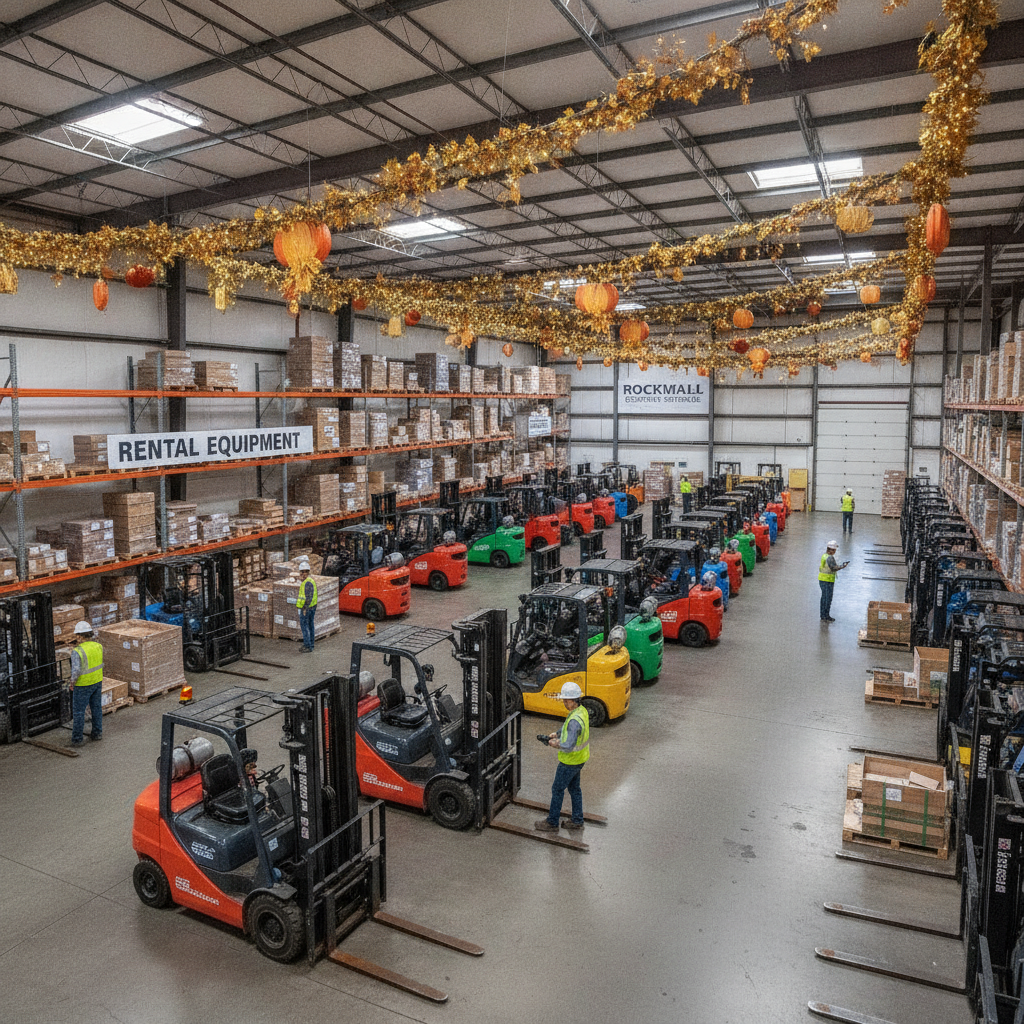
Every business faces its own set of seasonal swings, and for those in warehousing, retail, construction, or logistics, the peaks can be both a blessing and a logistical challenge. When demand surges, having the right equipment on hand is a game-changer. That’s where forklift rentals Rockwall TX come into play, offering flexibility and scalability without long-term commitments. Whether you’re a small business owner prepping for the holiday rush, a developer ramping up for a major build, or simply someone who needs extra lifting power for a short window, understanding how to match your equipment to your peak periods can be the difference between smooth operations and missed opportunities. In this guide, we’ll explore how seasonal forklift rentals can help you stay agile, what factors to consider when choosing your equipment, and how to maximize efficiency during your busiest times. If you’ve ever wondered how to make the most of rental options in this area, read on for practical advice and fresh insights you won’t find anywhere else.
Why Seasonal Demand Calls for Flexible Forklift Solutions
Seasonal fluctuations are a fact of life for many businesses. Retailers gear up for holiday shopping, distribution centers brace for end-of-quarter shipping spikes, and construction projects often accelerate during certain months. These peaks can strain your existing equipment fleet, leading to bottlenecks, overtime costs, and even missed deadlines. That’s why a flexible approach to equipment, especially forklifts, makes sense. Renting forklifts allows companies to scale up quickly, add specialized machines for unique jobs, and avoid the financial burden of owning underutilized assets during slower months. With rental, you can tailor your fleet to the exact needs of each season, ensuring you have the right mix of machines for every project or rush. For those navigating the ups and downs of local business cycles, Forklift Rescue is a trusted resource for matching equipment to demand, helping you stay nimble and competitive year-round.
Matching Forklift Types to Your Peak Projects
Not all peak periods are created equal, and neither are the forklifts you’ll need. The right equipment depends on your specific workload, environment, and handling requirements. For example, a retailer may need compact electric forklifts for tight aisles and indoor use, while a construction site may require rugged, high-capacity diesel models for outdoor lifting. During seasonal surges, it’s crucial to assess your typical loads, the terrain, and the frequency of use. This ensures you’re not over- or under-powered, which can impact both safety and productivity. Many local rental providers offer a range of options, from narrow aisle reach trucks to heavy-duty telehandlers, allowing you to build a fleet that’s perfectly suited to your busiest projects. For a deeper look at what the leading providers offer, check out Top 3 Forklift Dealers in Rockwall, TX for 2026: Eagle, Sunbelt, and URentit Compared for a side-by-side comparison of local choices.
Planning Your Forklift Rental Timeline for Maximum Efficiency
Timing is everything when it comes to seasonal rentals. Reserve too late, and you risk limited availability or higher rates. Book too early, and you may pay for idle equipment. The key is to analyze your business cycles and anticipate when extra machines will make the biggest impact. Start by reviewing past sales data, project schedules, or delivery forecasts to pinpoint your busiest weeks or months. Then, communicate with your rental provider well in advance to lock in the right equipment and delivery dates. Some businesses opt for staggered rentals, bringing in different types of forklifts as needs evolve throughout the season. Others prefer a single bulk rental for the entire peak period. Whichever approach fits your operation, clear communication and proactive planning ensure you get the best value and avoid last-minute scrambles. For a step-by-step breakdown of the rental process, including pricing and delivery logistics, visit How to Rent a Forklift in Rockwall, TX: Prices, Options, and Delivery.
Understanding Seasonal Rental Pricing and Budgeting Strategies
Budgeting for seasonal forklift rentals requires a different mindset than planning for year-round ownership. Rental rates can fluctuate based on demand, machine type, and rental duration. During high-demand periods, prices may rise, so it’s wise to secure your equipment early or negotiate longer-term deals for better rates. Consider whether you need daily, weekly, or monthly rentals, as longer commitments often come with discounts. Factor in delivery, pickup, and any additional fees for accessories or attachments. It’s also worth exploring bundled packages if you need multiple machines. By aligning your rental period closely with your actual peak, you can avoid paying for unused days and keep your project costs in check. Smart budgeting also means building in a cushion for unexpected overtime or project extensions, ensuring you’re never caught short-handed during a rush.
How to Assess Your Seasonal Forklift Needs
Before picking up the phone to reserve equipment, take time to assess your true needs. Start by listing the types of materials you’ll be handling, the maximum weights and heights involved, and the number of shifts you’ll run each day. Consider the layout of your facility or jobsite, will you need forklifts that can maneuver in tight spaces, or models built for rough terrain? Think about operator experience as well; if you’re bringing in temporary staff, user-friendly controls and built-in safety features may be a priority. Finally, review any special requirements, such as attachments for handling pallets, drums, or oversized loads. By clarifying these details upfront, you’ll be able to work with your rental provider to select the most efficient and cost-effective fleet for your peak season.
Benefits of Renting Over Buying During Peak Periods
While owning a forklift fleet offers control and predictability, it’s not always the best fit for businesses with pronounced seasonal swings. Renting offers several key advantages: you avoid the capital expense and maintenance costs of ownership, gain access to the latest models with advanced safety features, and can scale your fleet up or down as demand changes. Rentals also free up cash flow for other priorities, such as inventory or staffing, and reduce the risk of equipment sitting idle during slower months. For many small businesses and developers, this flexibility is invaluable, allowing them to take on larger projects or unexpected opportunities without long-term commitments. Plus, rental providers often handle maintenance and repairs, minimizing downtime and letting your team focus on what matters most, getting the job done efficiently and safely.
Key Features to Look for in Seasonal Forklift Rentals
Not all forklift rentals are created equal, especially when it comes to seasonal needs. Look for providers that offer a wide selection of models, flexible rental terms, and responsive support. Prioritize machines with up-to-date safety features, such as backup alarms, seat belts, and stability systems. Ask about available attachments that can boost productivity, like side shifters, fork positioners, or clamps. If your peak season includes outdoor work, check for weather-resistant models with enclosed cabs or all-terrain tires. Finally, consider the provider’s track record for on-time delivery, equipment reliability, and customer service. A rental partner who understands the unique pressures of seasonal business can make all the difference when every day counts.
Training Temporary Staff for Safe and Efficient Forklift Operation
Seasonal surges often mean bringing in temporary or seasonal staff, many of whom may not be familiar with forklift operation. Investing in quick, effective training is essential for safety and productivity. Work with your rental provider to arrange operator orientation sessions, focusing on the specific models you’re renting. Cover basics like load handling, maneuvering, and daily inspections, as well as emergency procedures. Make sure operators understand the unique risks of your facility or jobsite, such as pedestrian traffic or uneven surfaces. Providing clear signage, safety gear, and supervision helps reinforce best practices. Remember, well-trained operators not only reduce the risk of accidents but also get more done in less time, maximizing the return on your rental investment.
Managing Logistics: Delivery, Pickup, and On-Site Coordination
Coordinating the arrival and departure of rental forklifts is a critical step in keeping your operation running smoothly. Work closely with your provider to schedule delivery windows that align with your project timeline. Make sure your site is ready to receive equipment, clear access routes, designate parking or staging areas, and ensure any required permits are in place. Plan for a brief inspection upon delivery to confirm the condition and functionality of each machine. When your peak period winds down, coordinate pickup to avoid unnecessary rental days. Good communication and clear roles help prevent delays, confusion, or extra fees. For larger operations, appointing a site coordinator to oversee equipment movement and usage can streamline the process and keep everyone on the same page.
Comparing Rental Options: A Quick Reference Table
| Forklift Type | Best For | Rental Duration | Key Features |
|---|---|---|---|
| Electric Counterbalance | Indoor warehouses, retail | Weekly/Monthly | Quiet, zero emissions, tight turning radius |
| Diesel/Petrol Forklift | Outdoor, construction, heavy loads | Daily/Weekly | High capacity, rugged, fast refueling |
| Reach Truck | Narrow aisles, high stacking | Monthly | Extended reach, compact design |
| Telehandler | Construction, rough terrain | Daily/Weekly | All-terrain tires, telescopic boom |
| Order Picker | E-commerce, inventory management | Weekly/Monthly | Elevated platform, precise controls |
Adapting to Unpredictable Surges and Last-Minute Needs
Even with the best planning, unexpected surges can catch you off guard. Maybe a sudden order comes in, a project deadline moves up, or weather delays compress your schedule. In these moments, having a relationship with a responsive rental provider is invaluable. Some companies offer rapid delivery or emergency rental services, helping you bridge the gap during unplanned peaks. It’s also wise to maintain a list of approved operators and keep basic training materials on hand, so you can onboard new team members quickly if needed. Flexibility is the name of the game, by staying prepared for the unexpected, you can turn last-minute challenges into opportunities to shine.
The Bottom Line
Seasonal forklift rentals offer a smart, flexible way for local businesses to handle peak demand without overcommitting resources or sacrificing efficiency. By understanding your unique cycles, assessing your true needs, and partnering with a reliable rental provider, you can keep your operations running smoothly no matter how busy things get. Whether you’re preparing for a holiday rush, a major construction push, or an unexpected surge in orders, the right rental strategy gives you the confidence to tackle any challenge. Remember, success during peak season isn’t just about having more equipment, it’s about having the right equipment, at the right time, with the right support. Stay proactive, stay flexible, and your business will be ready for whatever the year brings.