
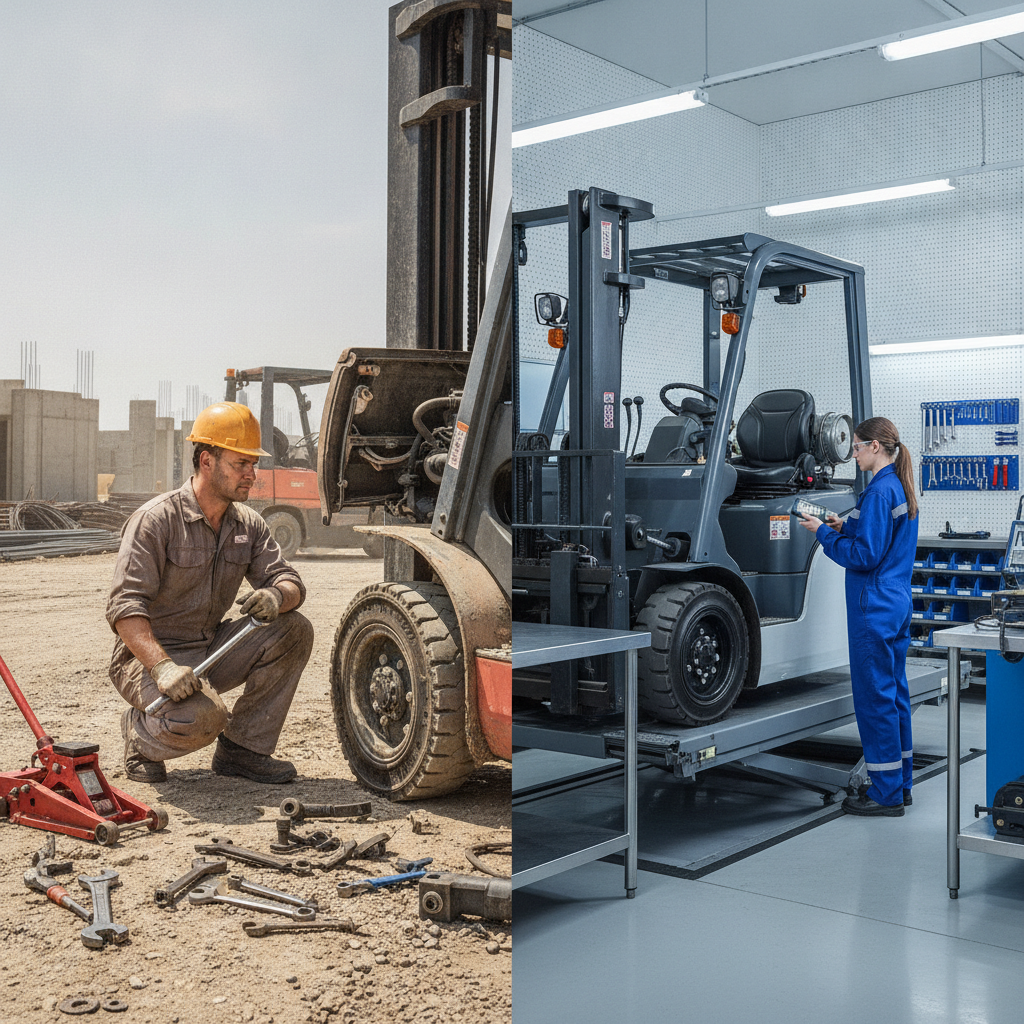
When your business relies on forklifts to keep operations moving, downtime is more than an inconvenience, it’s a direct hit to your productivity and bottom line. For small business owners and developers in the area, knowing how to handle unexpected equipment breakdowns is essential. That’s where the debate between on-site and shop forklift repair comes into play. Choosing the right service can make all the difference in minimizing disruption, controlling costs, and keeping your team safe. Whether you run a warehouse, manage a retail operation, or oversee construction projects, understanding the pros and cons of both options will help you make the best decision for your unique needs. In this guide, we’ll break down the key differences, highlight what to expect from each service, and offer practical insights so you can confidently navigate forklift repair in Rockwall TX and beyond.
Understanding On-Site Forklift Repair
On-site forklift repair is exactly what it sounds like: a certified technician comes directly to your location to diagnose and fix your forklift. This approach has become increasingly popular among businesses that value speed and minimal disruption. When you choose on-site service, you’re essentially bringing the shop to your door, allowing your team to stay focused on core tasks while the repair is handled in the background.
The biggest advantage of on-site repair is reduced downtime. Since you don’t have to transport your equipment to a shop, you save valuable hours (or even days) that would otherwise be lost in transit and scheduling. For many, this means forklifts are back in action faster, helping you avoid costly delays. On-site technicians typically arrive with a fully stocked service vehicle, equipped to handle common repairs, maintenance, and diagnostics on the spot.
However, there are limitations. Some repairs require specialized tools or equipment that can only be found in a dedicated shop. If your forklift has a major mechanical or electrical issue, or if it needs extensive work like engine rebuilds or frame welding, on-site service might not be enough. In such cases, the technician may recommend transporting the forklift to their facility for a more comprehensive repair.
For businesses in this community looking for quick turnaround and minimal hassle, on-site forklift repair can be a game-changer. It’s especially beneficial for operations with tight schedules, limited spare equipment, or those who simply can’t afford to let a forklift sit idle for long. If you want to explore trusted local options for on-site service, Forklift Rescue is a well-known provider serving the region.
What Shop Forklift Repair Offers
Shop forklift repair involves transporting your equipment to a dedicated repair facility, where technicians have access to a full range of tools, diagnostic equipment, and replacement parts. This option is ideal for more complex repairs or when your forklift requires attention that simply can’t be delivered on-site.
One of the main benefits of shop repair is the depth of service available. Technicians can perform in-depth diagnostics, tackle major mechanical overhauls, and handle repairs that would be unsafe or impractical to attempt in the field. Shops are equipped with heavy-duty lifts, welding stations, and parts inventories that allow for a wider range of fixes. This can be especially important for older forklifts, rare models, or machines that have suffered significant damage.
Of course, shop repair comes with some trade-offs. Transporting your forklift to the shop takes time, and you’ll need to arrange for pickup and delivery. Depending on the shop’s workload, repairs may take longer than an on-site visit. For businesses with only one or two forklifts, this downtime can be a significant challenge. However, for those with larger fleets or backup equipment, the comprehensive nature of shop repair may outweigh the inconvenience.
If you’re comparing local repair shops, it’s helpful to look at their reputation, turnaround times, and the brands they specialize in. For a detailed comparison of top-rated dealers and repair providers, check out Top 3 Forklift Dealers in Rockwall, TX for 2026: Eagle, Sunbelt, and URentit Compared for insights on service quality and customer satisfaction.
Comparing Repair Options for Different Forklift Types
Not all forklifts are created equal, and the type of equipment you use can influence whether on-site or shop repair is the better fit. Electric forklifts, for example, often require specialized diagnostic tools and battery handling procedures. While many issues can be addressed on-site, some electrical faults or battery replacements may necessitate a trip to the shop. Internal combustion forklifts (propane, diesel, or gasoline) might need engine repairs or emissions work that’s best handled in a controlled shop environment.
Cushion tire forklifts, commonly used indoors, are generally easier to service on-site due to their straightforward design and accessibility. In contrast, rough terrain forklifts or heavy-duty models may require more extensive repairs or larger replacement parts that are not practical to bring to your location.
Understanding the strengths and limitations of your forklift’s design will help you anticipate which repair option is most practical. For a deeper dive into how different forklift types impact repair and rental decisions, see Electric vs. Cushion Tire Forklifts: Best Rentals for Rockwall Warehouses.
Cost Considerations for On-Site and Shop Repairs
When it comes to budgeting for forklift repair, both on-site and shop services come with unique cost factors. On-site repairs often charge a service call fee, which covers the technician’s travel and setup time. Hourly labor rates may be slightly higher than shop rates, reflecting the convenience and rapid response. However, you save on transportation costs, and the faster turnaround can reduce the financial impact of downtime.
Shop repairs, on the other hand, typically have lower hourly labor rates, but you’ll need to account for the cost of hauling your forklift to and from the facility. If your repair is extensive, the longer downtime may also translate into lost productivity or the need to rent a temporary replacement. For major overhauls or warranty work, shop repairs may be the only option, and some shops offer package deals or fleet discounts for repeat customers.
It’s important to request a detailed estimate before authorizing any work. Ask for a breakdown of labor, parts, travel, and any additional fees. This transparency will help you compare options and avoid surprises when the invoice arrives. Many local providers are willing to work with small businesses to find cost-effective solutions that fit your budget and operational needs.
Downtime and Productivity: What’s at Stake?
For most operations, forklift downtime is more than just an inconvenience, it can grind your workflow to a halt. The choice between on-site and shop repair should factor in how much downtime your business can realistically absorb. On-site repairs are typically faster, minimizing the period your forklift is out of commission. This is especially critical for businesses with minimal backup equipment or those operating on tight schedules, such as retail warehouses, distribution centers, or construction sites.
Shop repairs, while sometimes slower, may be unavoidable for major issues. If your forklift needs an engine rebuild or extensive welding, the extra time in the shop can lead to longer gaps in productivity. For businesses with larger fleets, this may be manageable by rotating equipment or temporarily shifting workloads. However, for those with only one or two machines, even a short delay can cause a ripple effect through your entire operation.
To mitigate the impact of downtime, consider developing a maintenance plan that includes regular inspections and preventive care. This proactive approach can help catch small issues before they escalate into major repairs, keeping your forklifts running smoothly and your business on track.
Safety and Compliance: Why Professional Repair Matters
Safety should always be a top priority when it comes to forklift repair. Both on-site and shop services are performed by trained, certified technicians who understand the complexities of modern forklifts and the regulations governing their use. Professional repairs ensure your equipment meets industry safety standards, reducing the risk of accidents, injuries, and costly compliance violations.
On-site technicians are adept at working within your facility’s safety protocols, minimizing disruption to your team and maintaining a secure environment. Shop repairs, meanwhile, benefit from controlled settings and specialized equipment that allow for more thorough inspections and testing. In either case, you should expect documentation of the work performed, including parts replaced and safety checks completed.
Regular maintenance and prompt attention to repair needs are essential for staying compliant with OSHA and other regulatory bodies. Neglecting repairs or attempting DIY fixes can put your business at risk, so it’s wise to partner with reputable professionals who prioritize safety at every step.
When On-Site Repair Is the Best Choice
On-site forklift repair is often the ideal solution for businesses that need fast, convenient service with minimal disruption. If your operation relies on a small fleet, or if you have limited backup equipment, on-site repair can keep your business moving without the hassle of transporting heavy machinery. This option is also well-suited for routine maintenance, minor mechanical issues, and quick diagnostics.
Industries that benefit most from on-site repair include retail, warehousing, logistics, and construction, especially those with busy schedules or unpredictable workloads. On-site technicians can often accommodate urgent requests, offering same-day or next-day service to get your forklift back in action quickly. If your facility has space and accessibility for a service vehicle, on-site repair is both practical and efficient.
However, it’s important to recognize the limits of on-site service. If your forklift requires extensive repairs, specialized tools, or major part replacements, the technician may recommend a shop visit. Knowing when to opt for on-site repair versus shop service will help you maximize uptime and minimize costs.
Situations That Call for Shop Repair
While on-site repair is convenient, there are scenarios where shop service is the only realistic option. Major mechanical failures, such as engine or transmission rebuilds, require equipment and expertise that can’t be brought to your location. Similarly, structural repairs, welding, or complex electrical diagnostics often demand the controlled environment and specialized tools found in a fully equipped shop.
Shop repair is also preferable for older forklifts, rare models, or machines with custom attachments. Technicians can access a broader range of replacement parts, perform in-depth testing, and ensure repairs meet manufacturer specifications. If your forklift is under warranty, shop service may be required to maintain coverage and document compliance with maintenance schedules.
When evaluating whether shop repair is necessary, consider the severity of the issue, the availability of backup equipment, and the importance of a thorough, lasting fix. For businesses with larger fleets or less urgent timelines, shop repair offers peace of mind and comprehensive service.
How to Choose the Right Repair Partner
Selecting a forklift repair provider is about more than just price, it’s about trust, expertise, and reliability. Start by looking for companies with certified technicians, strong local reputations, and transparent pricing. Ask about their experience with your specific forklift models, response times for on-site service, and the range of repairs they can handle in-shop versus in the field.
It’s also wise to inquire about warranty support, parts availability, and customer service policies. A good repair partner will offer clear communication, detailed estimates, and documentation of all work performed. For small business owners, look for providers who understand the unique challenges of your operation and are willing to work around your schedule.
Building a relationship with a trusted repair provider can help you avoid costly surprises and keep your forklifts running smoothly year-round. Don’t hesitate to ask for references or read reviews from other local businesses before making your decision.
Table: Quick Comparison of On-Site vs. Shop Forklift Repair
| Feature | On-Site Repair | Shop Repair |
|---|---|---|
| Downtime | Minimal (same-day/next-day possible) | Longer (includes transport, shop queue) |
| Complex Repairs | Limited (minor to moderate issues) | Comprehensive (major overhauls, welding) |
| Cost | Higher hourly, no transport fees | Lower hourly, transport fees apply |
| Convenience | High (repair at your location) | Low (requires equipment transport) |
| Best For | Routine maintenance, minor repairs | Major repairs, warranty work |
Real-World Scenarios: Which Option Wins?
Let’s look at a few common situations to see how on-site and shop repairs stack up. Imagine a retail warehouse that relies on a single electric forklift for daily operations. If the forklift suddenly loses power, an on-site technician can often diagnose and fix the issue, such as a blown fuse or minor electrical fault, within hours, minimizing disruption. However, if the problem turns out to be a failed battery or a damaged motor controller, the machine may need to be transported to a shop for specialized repairs.
In another scenario, a construction company with a small fleet of rough terrain forklifts experiences a hydraulic leak. On-site repair is possible if the issue is a simple hose replacement or fitting, but a major cylinder rebuild or structural damage will likely require shop service. The key is to assess the severity of the problem, the availability of backup equipment, and the urgency of the repair.
For businesses with larger fleets, a mix of both options may be the best strategy. Routine maintenance and minor fixes can be handled on-site, while major overhauls are scheduled at the shop during slower periods. This flexible approach helps balance convenience, cost, and uptime.
Making the Right Choice for Your Operation
Deciding between on-site and shop forklift repair isn’t a one-size-fits-all choice. The best option depends on your business’s size, the type of forklifts you operate, your budget, and how much downtime you can tolerate. Start by evaluating your most common repair needs and considering how quickly you need your equipment back in service. For many small businesses, the convenience of on-site repair is hard to beat for day-to-day issues. For more complex or warranty-covered repairs, shop service may be the only way to ensure a thorough and lasting fix.
It’s also worth building a relationship with a repair provider who offers both options. This flexibility allows you to tailor service to each situation, maximizing uptime and minimizing costs. Don’t be afraid to ask questions, request estimates, and discuss your specific operational needs with your provider. The right partner will work with you to keep your forklifts, and your business, running smoothly.
Key Takeaways
Choosing between on-site and shop forklift repair is a strategic decision that can impact your business’s productivity, safety, and bottom line. On-site repair offers speed and convenience for minor issues, while shop service provides comprehensive solutions for complex problems. By understanding the strengths and limitations of each option, you can make informed decisions that keep your forklifts in top condition and your operations running without unnecessary interruptions. Whether you’re managing a single forklift or a growing fleet, investing in professional repair and maintenance is key to long-term success in the region’s competitive landscape.