
Renting a forklift can be a game-changer for small businesses and developers who need extra lifting power for a short-term project or a seasonal surge. When you search for Forklift Rentals Rockwall TX, you’re not just looking for a machine, you’re looking for a seamless experience that gets equipment to your site, on time, and ready to work. But what does it really take to plan a successful forklift rental delivery and pickup? From scheduling and site prep to navigating jobsite access, there’s more to the process than meets the eye. In this guide, we’ll walk you through the key steps and insider tips to make sure your rental experience is smooth, efficient, and cost-effective. Whether you’re new to equipment rentals or a seasoned project manager, you’ll find actionable advice to help you avoid common pitfalls and get the most value from your rental. Let’s dive into the details that matter most for your next forklift delivery and pickup.
How Forklift Rental Delivery Works in the Area
Understanding the forklift rental delivery process is essential for anyone managing a project timeline. When you arrange for a forklift rental in this community, the process typically begins with a phone call or online reservation. Rental companies will ask about your project’s scope, the type of forklift needed, and the delivery location. It’s important to provide accurate information, as the size and weight of the forklift will determine the type of truck and trailer required for transport.
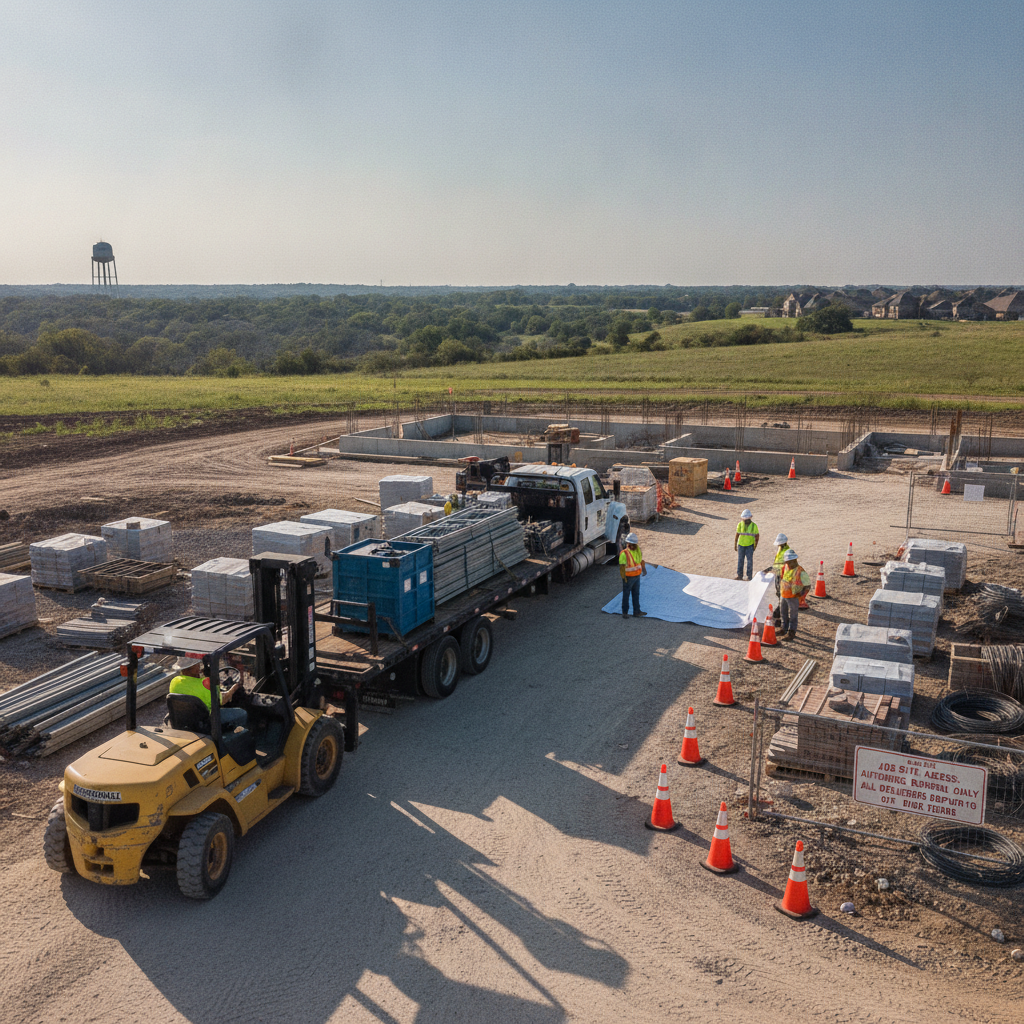
Once your order is confirmed, the rental company schedules a delivery window. On the day of delivery, a specialized truck arrives with your forklift securely loaded. The driver will need clear instructions about where to unload the equipment, so having someone on-site to direct the process is a big help. The forklift is then carefully offloaded, usually with ramps or a tilt-bed trailer, and positioned at your designated drop-off spot.
Timely communication is key. If your jobsite is in a busy commercial district or has restricted hours, make sure to coordinate with the rental provider. Some companies offer real-time tracking or text notifications, which can be invaluable for tight schedules. For more details on local rental providers and their delivery practices, check out Forklift Rescue.
Coordinating Pickup and Return for Maximum Efficiency
Just as important as delivery is the process of picking up your rented forklift. Efficient pickup coordination helps you avoid additional fees and keeps your project on track. Start by estimating how long you’ll need the forklift, but build in a buffer for unexpected delays. Most rental agreements specify a return date and time, and late returns can incur extra charges.
When your project wraps up, notify the rental company as soon as possible. Some providers require 24 to 48 hours’ notice to schedule a pickup. Make sure the forklift is accessible and ready for transport, this means clearing obstacles, ensuring the machine is parked on a stable surface, and returning any accessories or attachments. If the forklift is not ready or is blocked in, you may face rescheduling fees or even a failed pickup attempt.
For businesses weighing the pros and cons of renting versus buying, there are long-term savings to consider. For a deeper dive into this decision, visit Why Rockwall Businesses Are Choosing to Buy Forklifts Instead of Renting: Long-Term Savings Guide.
Jobsite Access: Preparing for a Smooth Delivery
One of the most overlooked aspects of forklift rental delivery is jobsite access. Before your forklift arrives, take time to assess the delivery area. Is there enough space for a large truck to maneuver? Are there low-hanging wires, tight gates, or uneven surfaces that could complicate unloading? Addressing these factors ahead of time can prevent costly delays and safety hazards.
It’s also important to consider the path from the drop-off point to the actual work area. Will the forklift need to cross gravel, mud, or steep grades? Some jobsites may require temporary ramps or ground protection mats to ensure safe passage. If you’re working in a residential neighborhood or a busy industrial park, communicate with neighbors or property managers to avoid conflicts during delivery and pickup windows.
For those interested in comparing local dealers and their delivery services, check out Top 3 Forklift Dealers in Rockwall, TX for 2026: Eagle, Sunbelt, and URentit Compared.
Timing Your Rental: Scheduling Tips for Busy Seasons
Timing is everything when it comes to forklift rentals, especially during peak construction or retail seasons. The demand for equipment can spike unexpectedly, and availability may become limited. To secure the right forklift for your project, try to book as early as possible, ideally, several weeks in advance for large projects or during busy months.
Consider your project timeline and build in flexibility for delivery and pickup. If your schedule is subject to change, discuss options for extending your rental or rescheduling delivery with your provider. Many companies offer flexible terms, but last-minute changes can result in extra fees or missed deadlines. Planning ahead ensures you get the equipment you need, when you need it, without unnecessary stress.
For recurring projects, establishing a relationship with a trusted rental provider can give you priority access during high-demand periods. Some businesses in the region even negotiate seasonal contracts to lock in rates and guarantee availability. This proactive approach can save both time and money in the long run.
Understanding Delivery Fees and Hidden Costs
Rental rates for forklifts often seem straightforward, but delivery and pickup fees can add unexpected costs to your project. Most rental companies charge a flat fee for transport based on distance, equipment size, and accessibility. However, there may be additional charges for after-hours delivery, remote locations, or special handling requirements.
To avoid surprises, ask your rental provider for a detailed quote that breaks down all charges. Clarify whether fuel, insurance, and cleaning fees are included. Some companies also charge for time spent waiting on-site if the delivery or pickup cannot proceed as scheduled. Being transparent about your site conditions and timeline helps the provider give you an accurate estimate.
If you’re comparing multiple rental companies in the area, make sure to evaluate the total cost, not just the daily or weekly rate. Factoring in all fees will help you make a more informed decision and stay within budget.
Preparing Your Site for Safe Forklift Operation
A smooth delivery is only the first step. Before you put your rented forklift to work, ensure your site is ready for safe operation. Start by inspecting the ground conditions where the forklift will be used. Remove debris, secure loose materials, and mark any hazards such as holes or soft spots. If your project involves indoor work, check that doorways and aisles are wide enough for the forklift to pass through without risk of collision.
It’s also wise to brief your team on forklift safety basics. Only trained and certified operators should use the equipment, and all workers should be aware of the forklift’s operating area. Establish clear communication signals and designate walking paths to prevent accidents. Taking these steps not only protects your crew but also helps you avoid damage fees when returning the equipment.
Finally, make sure you have a secure place to park the forklift when it’s not in use. Locking up the equipment and removing keys reduces the risk of theft or unauthorized operation, especially on busy or open jobsites.
What to Expect on Delivery Day
The day your forklift arrives is often a busy one, but a little preparation goes a long way. Expect the delivery truck to arrive within a scheduled window. Have a responsible person on-site to greet the driver, confirm paperwork, and direct the unloading process. Double-check that the drop-off area is clear and that any necessary permits or access codes are available.
After unloading, inspect the forklift for any pre-existing damage and make note of it with the driver. This protects you from being held responsible for issues that occurred before delivery. The driver may also provide a quick orientation on the machine’s controls, especially if it’s a model you haven’t used before.
Once the forklift is on-site, test it in a safe area to ensure it’s functioning properly. If you notice any problems, contact the rental company immediately. Addressing issues right away can prevent project delays and ensure you get the most from your rental period.
Table: Forklift Rental Delivery Checklist
| Step | Details |
|---|---|
| 1. Reserve Equipment | Contact provider, specify forklift type, schedule delivery |
| 2. Prepare Site | Clear delivery area, check access, notify team |
| 3. Confirm Delivery Window | Coordinate timing, ensure someone is on-site |
| 4. Receive & Inspect | Check for damage, review controls, sign paperwork |
| 5. Operate Safely | Train operators, monitor usage, secure equipment |
| 6. Schedule Pickup | Notify provider, prepare forklift for return |
Common Delivery Challenges and How to Overcome Them
Even with careful planning, unexpected challenges can arise during forklift rental delivery. One common issue is restricted access due to narrow streets, low bridges, or construction barriers. If your site is difficult to reach, inform the rental company in advance so they can plan the best route and choose the right delivery vehicle.
Weather can also play a role, especially during rainy seasons when soft ground can make unloading risky. In such cases, consider laying down plywood or mats to create a stable surface. If severe weather is forecast, discuss contingency plans with your provider to avoid delivery delays.
Another challenge is coordinating with other trades or deliveries on a busy site. Staggering delivery times and maintaining open communication with all parties helps keep things running smoothly. By anticipating these potential hurdles, you can minimize downtime and keep your project moving forward.
Rental Agreement Essentials: What to Review Before Signing
Before finalizing your forklift rental, take time to review the rental agreement carefully. Look for details about delivery and pickup procedures, insurance requirements, maintenance responsibilities, and what constitutes normal wear and tear. Clarify who is responsible for fueling, cleaning, and minor repairs during the rental period.
Pay special attention to liability clauses and what happens in the event of damage or theft. Some agreements include penalties for late return or improper use, so make sure you understand the terms. If anything is unclear, ask the rental provider for clarification before signing.
A thorough review of the contract helps prevent misunderstandings and ensures a positive rental experience. It’s also a good idea to keep a copy of the agreement on-site for easy reference throughout your project.
Tips for First-Time Forklift Renters
If you’re renting a forklift for the first time, the process can seem overwhelming. Start by researching reputable rental companies in your region and reading customer reviews. Ask about equipment age, maintenance history, and support services. Don’t hesitate to request a walkthrough of the machine’s features during delivery, especially if you’re unfamiliar with the model.
Be honest about your project’s needs, choosing the wrong size or type of forklift can lead to inefficiency or even safety risks. If you’re unsure, describe your application to the rental provider and ask for recommendations. Many companies are happy to help you select the best fit for your job.
Finally, keep communication lines open throughout the rental period. Promptly report any issues or changes in your schedule, and don’t be afraid to ask questions. A proactive approach helps ensure a successful rental experience from start to finish.
The Bottom Line
Planning a forklift rental delivery and pickup involves more than just choosing a machine. By understanding the process, preparing your site, and communicating clearly with your rental provider, you can avoid common headaches and keep your project running smoothly. Remember to review all costs, anticipate access challenges, and prioritize safety at every stage. Whether you’re a small business owner or a developer managing multiple sites, a little planning goes a long way in making your forklift rental experience efficient and stress-free. With these tips in mind, you’ll be ready to handle your next equipment rental with confidence and get the job done right.