
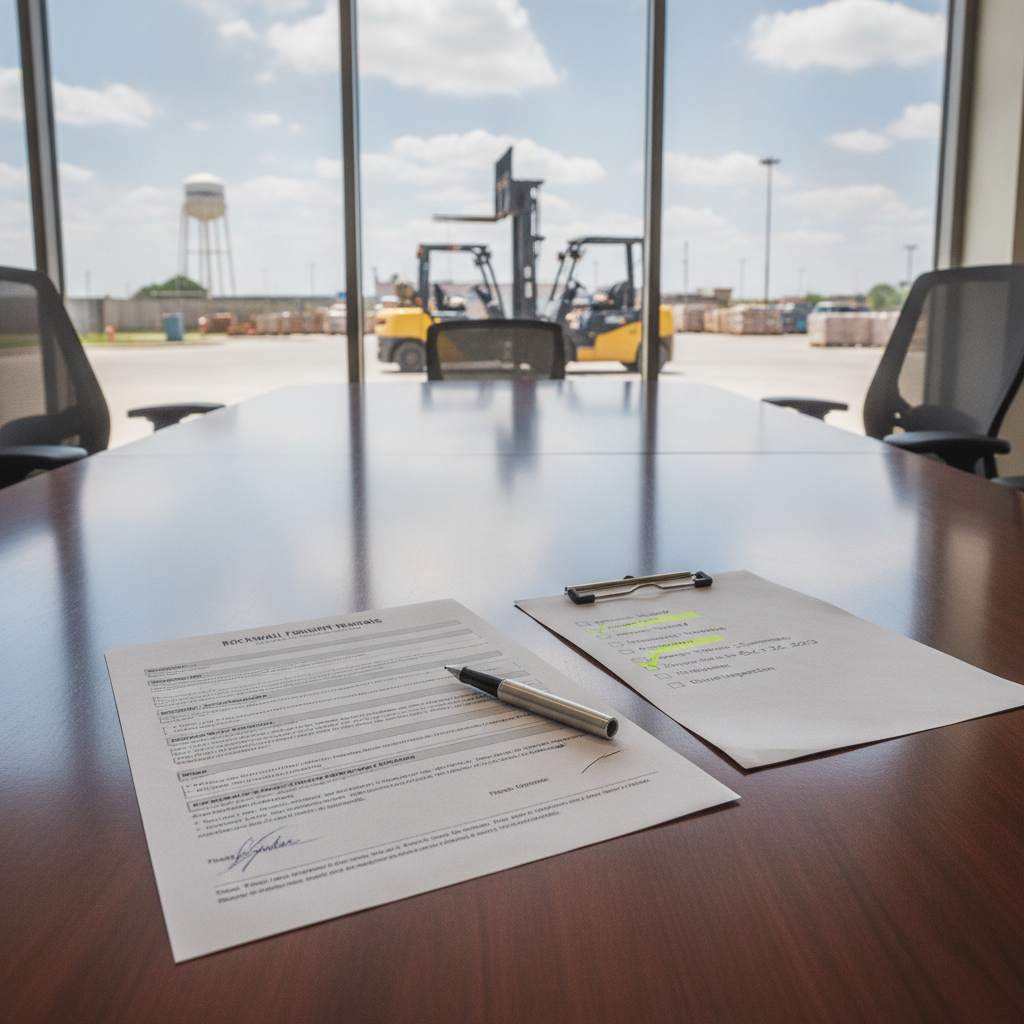
When it comes to keeping your operations running smoothly, few decisions are as critical as choosing the right equipment partner. For many small business owners and developers, forklift rentals in Rockwall TX offer a flexible, cost-effective way to meet shifting demands without the long-term commitment of ownership. But before you sign on the dotted line, it’s essential to know exactly what you’re agreeing to. A forklift rental agreement is more than just a handshake and a delivery date, it’s a detailed contract that can impact your budget, workflow, and even your liability. Understanding what to check before making your commitment can save you from unexpected costs, operational headaches, and compliance issues down the road.
Whether you’re renting for a busy season, a special project, or to cover a breakdown, the right rental agreement ensures you get the equipment you need, on your terms. In this guide, we’ll walk you through the key areas to review before signing any forklift rental contract in the area. From equipment condition and maintenance responsibilities to insurance, hidden fees, and more, you’ll learn how to protect your business interests and avoid common pitfalls. Let’s dive in and make sure your next forklift rental is a win for your operation.
Understanding the Basics of Forklift Rental Agreements
Before you can confidently sign a forklift rental agreement, it’s crucial to understand what these contracts typically include and why each element matters. Rental agreements for forklifts are designed to clearly outline the expectations and responsibilities of both the renter and the provider. This includes everything from the type and model of forklift being rented, the rental period, and the agreed-upon rate, to more nuanced details such as maintenance, insurance, and return conditions.
For small business owners, these agreements are your safety net. They ensure that you receive the right equipment in working order and that you’re not caught off guard by unexpected costs or liabilities. The agreement should also specify what happens if the forklift breaks down, who is responsible for repairs, and how quickly service will be provided. These details can make a significant difference in your day-to-day operations, especially during peak periods when downtime can be costly.
Another important aspect is understanding the difference between short-term and long-term rentals. Short-term agreements often have different terms regarding maintenance, delivery, and pickup compared to longer commitments. Make sure you are clear on the duration and whether there are penalties for early termination or extensions.
If you’re new to equipment rentals or want a reliable partner, consider working with Forklift Rescue for expert guidance and transparent agreements tailored to your needs.
Key Terms and Clauses to Review Carefully
Not all forklift rental agreements are created equal. The fine print can contain critical clauses that affect your operational flexibility and financial exposure. Some of the most important terms to review include the rental rate structure (daily, weekly, monthly), overtime charges, and what constitutes normal wear and tear versus chargeable damage.
Be sure to check for clauses regarding equipment substitution. Sometimes, if your preferred model isn’t available, the rental company may provide an alternative. Make sure any substitute meets your capacity and operational needs. Also, examine the provisions for equipment delivery and pickup. Are these included in the rental fee, or are they billed separately? Unexpected transportation charges can add up, especially if your site is outside the provider’s standard service area.
Another area to scrutinize is the policy on rental extensions. If your project runs longer than expected, will you be able to extend the rental under the same terms, or will rates change? Understanding these details upfront can prevent unpleasant surprises.
For those planning around busy periods, check out Seasonal Forklift Rentals in Rockwall, TX: Matching Equipment to Peak Demand for tips on aligning your rental terms with your operational calendar.
Assessing Equipment Condition and Service Records
One of the most overlooked aspects of a forklift rental agreement is the condition of the equipment at the time of delivery. Before accepting any forklift, insist on a detailed inspection with the rental provider. This inspection should cover key components such as brakes, tires, forks, hydraulics, and safety features. Document any existing damage or wear, and ensure both parties sign off on the inspection report. This protects you from being held responsible for pre-existing issues when the equipment is returned.
Ask for the forklift’s maintenance and service records. Well-maintained machines are less likely to break down and disrupt your workflow. If the provider cannot produce recent service documentation, consider it a red flag. Reliable rental partners will have no hesitation in sharing maintenance logs and explaining their service routines.
It’s also wise to clarify what happens if the forklift requires service during your rental period. Will a replacement be provided? How quickly can repairs be made? These details should be spelled out in the agreement to minimize downtime and protect your productivity.
For those weighing the pros and cons of renting versus buying, explore Why Rockwall Businesses Are Choosing to Buy Forklifts Instead of Renting: Long-Term Savings Guide for a deeper look at equipment investment strategies.
Understanding Maintenance Responsibilities During Rental
Maintenance obligations are a critical part of any forklift rental agreement. Typically, the rental provider is responsible for major repairs and routine servicing, while the renter handles daily checks and minor upkeep. However, the specifics can vary widely between companies. Make sure the agreement clearly states who is responsible for what, and how maintenance requests should be reported and handled.
Daily checks might include inspecting fluid levels, tire condition, and battery charge for electric forklifts. If you neglect these tasks and a breakdown occurs as a result, you could be liable for repair costs. Conversely, if the forklift fails due to normal wear or a manufacturer defect, the provider should cover repairs and, ideally, supply a replacement unit if needed.
It’s also important to ask about response times for service calls. How quickly will the provider address maintenance issues? Will they send a technician to your site, or will you need to transport the forklift to their facility? These factors can significantly impact your workflow, especially during busy periods. Always have these details in writing to avoid disputes later on.
Insurance Requirements and Liability Concerns
Insurance is often one of the most confusing aspects of a forklift rental agreement, but it’s also one of the most important. Most rental companies require renters to carry liability insurance that covers damage to the equipment, injury to operators, and third-party property damage. Some providers offer insurance as part of the rental package, while others require you to provide proof of your own coverage.
Carefully review the insurance requirements in your agreement. Are you required to add the rental company as an additional insured on your policy? What is the deductible in the event of a claim? Are there exclusions for certain types of accidents or damage? Understanding these details can prevent costly surprises if an incident occurs.
Also, clarify your liability for operator errors or unauthorized use. If someone operates the forklift without proper training or outside of agreed-upon hours, you could be held responsible for any resulting damage or injury. Make sure your team is fully briefed on the terms of use and that only qualified personnel operate the equipment.
Comparing Rental Costs and Hidden Fees
The upfront rental rate is just one part of the total cost equation. Many agreements include additional fees that can quickly inflate your final bill. Common extra charges include delivery and pickup, fuel surcharges, cleaning fees, overtime usage, and penalties for late returns or excessive wear.
It’s essential to get a detailed breakdown of all potential costs before signing your agreement. Ask for a sample invoice or a cost estimate based on your expected usage. This will help you budget accurately and avoid surprises when the final invoice arrives.
Some rental companies offer bundled packages that include maintenance, insurance, and delivery for a flat rate. While these can be convenient, make sure you understand exactly what’s included and whether the package meets your specific needs. If you only require the forklift for a short period or have your own insurance, an à la carte approach may be more cost-effective.
Transparency is key. If the provider is hesitant to explain fees or provide written estimates, consider looking elsewhere. A reputable company will be upfront about all costs and willing to answer your questions.
Evaluating Support and Emergency Response
Even the best-maintained forklifts can experience unexpected issues. That’s why it’s important to evaluate the rental company’s support and emergency response capabilities. Does the provider offer 24/7 support? How quickly can they dispatch a technician in the event of a breakdown? Do they have a local presence in the region, or will you be waiting hours for service from a distant branch?
Ask for references or testimonials from other businesses in this community who have used the provider’s emergency services. Quick, reliable support can make the difference between a minor hiccup and a major disruption to your operations.
It’s also wise to clarify the process for reporting issues. Is there a dedicated hotline or online portal? Will you receive regular updates on the status of your service request? Clear communication channels are essential for minimizing downtime and keeping your projects on track.
Table: Common Forklift Rental Agreement Elements
| Agreement Element | What to Check |
|---|---|
| Rental Period | Start/end dates, extension terms, early termination fees |
| Equipment Condition | Inspection report, documentation of existing damage |
| Rates & Fees | Rental rate, overtime charges, delivery/pickup, hidden fees |
| Maintenance | Who handles repairs, response times, replacement policy |
| Insurance | Liability coverage, deductibles, additional insured requirements |
| Return Conditions | Cleaning, damage assessment, late return penalties |
Verifying Operator Training and Safety Compliance
Safety is a top priority when renting and operating forklifts. Most rental agreements require that only trained and certified operators use the equipment. This isn’t just a formality, it’s a legal and insurance requirement that protects both you and the rental provider.
Before signing, confirm that your team’s certifications are up to date and meet the standards set by OSHA or other relevant authorities. Some rental companies offer training or can recommend local providers if your staff needs a refresher. Documenting operator credentials can also help in the event of an insurance claim or compliance audit.
Additionally, ensure your workplace is prepared for safe forklift operation. This includes clear signage, designated routes, and regular safety briefings. By prioritizing safety, you reduce the risk of accidents and demonstrate your commitment to best practices.
Clarifying Return Procedures and Damage Assessments
Returning your rented forklift is more than just scheduling a pickup. The rental agreement should clearly outline the process for return inspections, cleaning requirements, and damage assessments. Typically, the provider will inspect the forklift for any new damage or excessive wear. If issues are found, you could be billed for repairs or cleaning.
To avoid disputes, document the condition of the forklift when it arrives and again when it’s ready for return. Take photos and keep copies of all inspection reports. If possible, have a representative from the rental company present during the return inspection to sign off on the equipment’s condition.
Clarify how disputes are handled if you disagree with the provider’s assessment. Is there an appeals process or a third-party inspector who can be involved? Knowing your rights and responsibilities can help you avoid unexpected charges and maintain a positive relationship with your rental partner.
Negotiating Custom Terms for Unique Projects
Every business and project is unique, and your forklift rental agreement should reflect your specific needs. Don’t be afraid to negotiate custom terms, especially if you have unusual requirements such as extended hours, special attachments, or challenging site conditions. Many rental providers are willing to tailor agreements for larger or repeat customers, so it pays to ask.
Consider requesting flexible delivery and pickup times, bundled service packages, or even on-site training for your operators. If your project timeline is uncertain, negotiate extension options or reduced penalties for early termination. Clear communication about your needs helps ensure the agreement supports your goals rather than creating obstacles.
Finally, always get any negotiated changes in writing. Verbal agreements are difficult to enforce and can lead to misunderstandings. A well-drafted contract is your best protection against unexpected issues.
Final Thoughts
Signing a forklift rental agreement is a significant step for any business, whether you’re a first-time renter or a seasoned pro. By carefully reviewing each section of the contract and understanding your responsibilities, you can avoid costly mistakes and ensure your rental experience is smooth and productive. Remember to prioritize equipment condition, clarify maintenance and insurance terms, and insist on transparency regarding fees and support. Don’t hesitate to negotiate custom terms that fit your unique needs, your rental provider should be a partner in your success, not just a vendor.
With the right preparation and attention to detail, forklift rentals in Rockwall TX can be a powerful tool for growing your business and meeting your operational goals. Take the time to ask questions, document everything, and choose a provider that values your business as much as you value theirs. Here’s to safe, efficient, and hassle-free forklift rentals in your community!