
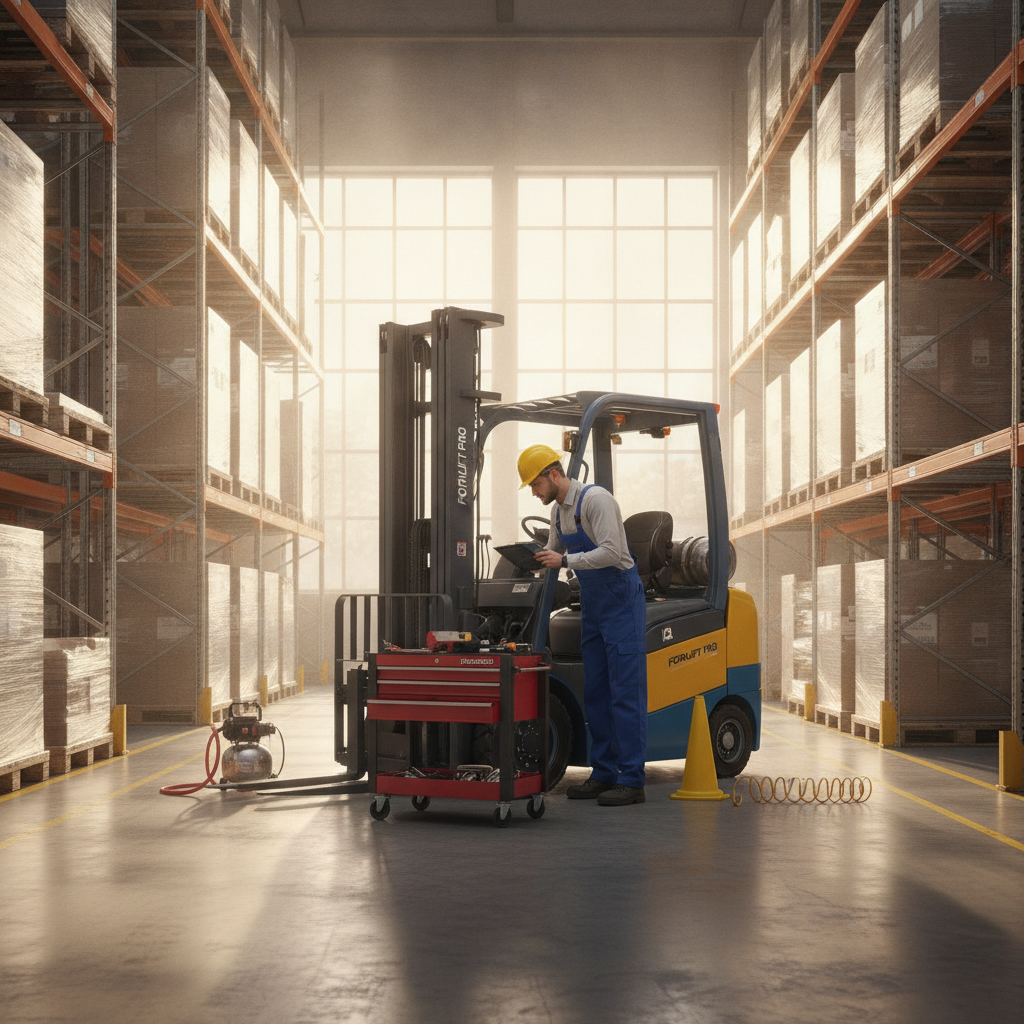
For small business owners and developers, forklifts are the lifeblood of efficient warehouse and jobsite operations. Yet, too often, maintenance is seen as a chore to delay until something goes wrong. In reality, preventive forklift maintenance is the unsung hero that keeps downtime at bay, especially when it comes to avoiding costly emergency repairs. If you’re searching for reliable Forklift Repair Rockwall TX solutions, understanding the value of proactive care can be a game-changer for your business. This article explores how preventive maintenance not only saves money but also boosts productivity, extends equipment lifespan, and creates a safer work environment. Whether you’re new to managing a forklift fleet or looking to optimize your current practices, read on to discover how a little foresight can make all the difference in keeping your operations running smoothly.
Why Preventive Maintenance Beats Emergency Repairs
When a forklift breaks down unexpectedly, the ripple effects can be felt throughout your entire operation. Emergency repairs often mean lost productivity, delayed shipments, and a scramble to find parts or technicians on short notice. Preventive maintenance, on the other hand, is all about anticipation. By regularly inspecting, lubricating, and servicing your forklifts, you catch small issues before they become major headaches. This approach not only reduces the frequency of breakdowns but also lowers the overall cost of ownership. In the area, many companies have found that a well-structured maintenance plan is the single most effective way to avoid the chaos of emergency repairs. Partnering with a trusted provider like Forklift Rescue can help ensure your maintenance routines are thorough and consistent, giving you peace of mind and keeping your business moving forward.
The Cost Savings of Proactive Forklift Care
It’s easy to overlook the true cost of emergency forklift repairs until you’re faced with an unexpected bill, overtime labor charges, or even lost contracts due to missed deadlines. Preventive maintenance flips the script by turning unpredictable expenses into manageable, scheduled costs. Regular servicing helps identify worn parts, fluid leaks, and other potential problems early, allowing for repairs that are less expensive and less disruptive. In fact, many local businesses have discovered that the savings from reduced emergency interventions often outweigh the investment in routine care. To get a clearer picture of what issues you might be able to catch early, check out Common Forklift Repair Problems Rockwall, TX Businesses Can Spot Before Downtime Grows. By being proactive, you not only protect your bottom line but also free up resources for growth and innovation.
How Maintenance Extends Forklift Lifespan
Forklifts are a significant investment, and maximizing their lifespan is a priority for any business. Preventive maintenance plays a crucial role in achieving this goal. By adhering to manufacturer-recommended service intervals and addressing minor issues promptly, you can significantly extend the useful life of your equipment. This not only delays the need for costly replacements but also ensures your fleet remains reliable and efficient. For those considering new equipment, understanding the impact of maintenance on longevity is essential. If you’re evaluating your options, How Rockwall Businesses Can Evaluate Forklift Load Capacity Before Purchasing offers valuable insights into making informed choices. Ultimately, a well-maintained forklift fleet is an asset that delivers consistent performance year after year.
Reducing Downtime Through Scheduled Service
Downtime is the enemy of productivity, and nowhere is this more apparent than in fast-paced warehouse environments. Scheduled preventive maintenance is your best defense against unexpected interruptions. By planning service during off-peak hours or slower periods, you minimize the impact on daily operations. Technicians can address potential issues before they escalate, ensuring your forklifts are always ready when you need them most. This proactive approach also allows for better inventory management, as you can anticipate parts and supplies needed for upcoming services. In this community, businesses that prioritize scheduled maintenance consistently report fewer disruptions and higher output, making it a cornerstone of operational efficiency.
Key Components Checked During Preventive Maintenance
A comprehensive preventive maintenance program covers a wide range of forklift components. Technicians inspect everything from the engine and transmission to the hydraulic system, brakes, and electrical circuits. Regular checks also include tires, forks, chains, and safety devices. By systematically evaluating each part, technicians can identify wear, misalignment, or damage that could lead to failures down the line. This level of detail ensures that no aspect of your forklift is overlooked, reducing the risk of sudden breakdowns and enhancing overall safety. The following table highlights typical components addressed during routine maintenance:
| Component | Check Performed | Why It Matters |
|---|---|---|
| Engine & Transmission | Fluid levels, leaks, performance | Prevents overheating and breakdowns |
| Hydraulic System | Hoses, cylinders, leaks | Ensures lifting power and safety |
| Brakes & Tires | Wear, pressure, alignment | Critical for operator control |
| Forks & Chains | Cracks, bends, lubrication | Prevents load drops and accidents |
| Electrical System | Battery, wiring, lights | Avoids starting issues and failures |
Safety Benefits of Preventive Forklift Maintenance
Workplace safety is a top priority for every business, and forklifts play a central role in maintaining a secure environment. Preventive maintenance directly contributes to safety by ensuring that all systems function as intended. Well-maintained brakes, lights, and warning devices help operators avoid accidents and respond quickly to hazards. Regular inspections also catch potential issues like hydraulic leaks or worn tires, which could lead to dangerous situations if left unaddressed. By prioritizing safety through maintenance, companies protect their employees, reduce liability, and foster a culture of responsibility that benefits everyone on site.
Building a Preventive Maintenance Schedule That Works
Creating an effective maintenance schedule starts with understanding your forklift usage patterns. Factors such as operating hours, load weights, and environmental conditions all influence how often your equipment needs attention. Most manufacturers provide guidelines, but tailoring these recommendations to your specific operation yields the best results. Involving operators in daily checks, setting up reminders for service intervals, and keeping detailed records are all essential steps. Many businesses in the region have found success by partnering with local service providers who offer customized maintenance plans, ensuring that nothing falls through the cracks. The result is a routine that fits seamlessly into your workflow, minimizing disruptions and maximizing uptime.
Training Operators to Spot Early Warning Signs
Your forklift operators are the first line of defense against unexpected breakdowns. Training them to recognize early warning signs, such as unusual noises, sluggish performance, or fluid leaks, can make a significant difference in catching problems before they escalate. Encourage operators to perform daily visual inspections and report any concerns immediately. Providing clear checklists and fostering open communication between operators and maintenance teams ensures that small issues are addressed quickly. This collaborative approach not only prevents emergencies but also empowers your workforce to take ownership of equipment care, leading to a safer and more efficient operation overall.
Choosing the Right Maintenance Partner Locally
Selecting a maintenance partner is a strategic decision that can impact your business for years to come. Look for providers with a proven track record, experienced technicians, and a commitment to customer service. In the neighborhood, businesses benefit from working with partners who understand local challenges and can respond quickly when needed. Ask about service packages, response times, and the availability of genuine parts. A reliable partner will help you develop a maintenance plan tailored to your needs, provide transparent pricing, and offer valuable advice on equipment upgrades or replacements. Investing in the right relationship ensures your forklifts receive the care they deserve, reducing the risk of costly surprises down the road.
Technology’s Role in Modern Forklift Maintenance
Advancements in technology have transformed the way businesses approach forklift maintenance. Modern equipment often features onboard diagnostics, telematics, and digital service records, making it easier than ever to track performance and schedule maintenance. These tools provide real-time data on usage, alerts for potential issues, and reminders for upcoming services. By leveraging technology, businesses can move from reactive to predictive maintenance, further reducing the likelihood of emergency repairs. Embracing these innovations not only streamlines maintenance processes but also provides valuable insights that drive continuous improvement across your operation.
Final Thoughts
Preventive forklift maintenance is more than just a routine, it’s a strategic investment in your company’s future. By prioritizing regular inspections, operator training, and strong partnerships with local service providers, you can dramatically reduce the risk of emergency repairs and keep your business running smoothly. The benefits extend beyond cost savings, encompassing improved safety, longer equipment life, and greater operational efficiency. For small business owners and developers, embracing a proactive maintenance mindset is the key to staying competitive and resilient in today’s fast-paced environment. Take the time to assess your current practices and make preventive care a cornerstone of your forklift management strategy, you’ll thank yourself when the next busy season arrives.