
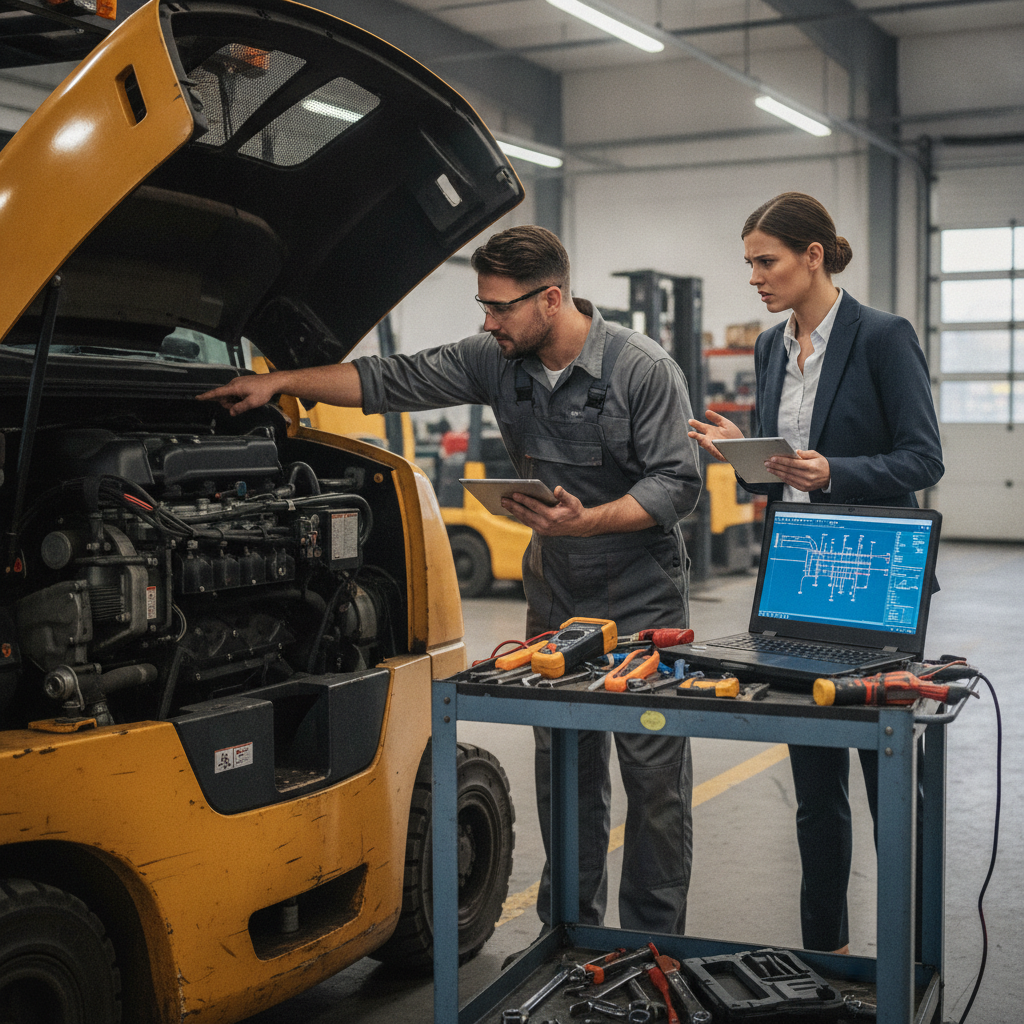
There’s nothing quite as frustrating as a forklift that simply won’t start when your business depends on it. For small business owners and operators, a non-starting forklift can bring operations to a halt, disrupt schedules, and even impact customer satisfaction. Understanding the basics of Forklift Diagnostics Rockwall TX can help you quickly identify the root cause of the problem and get your equipment back in action with minimal downtime. Whether you’re running a warehouse, managing a construction site, or overseeing a retail operation, knowing what to look for when your forklift refuses to start is essential. In this guide, we’ll break down the most common diagnostic clues, explain why they matter, and show you how to avoid the pitfalls that often lead to unnecessary repairs or extended downtime. Let’s dive into the practical steps and expert insights that can save your business time, money, and headaches the next time your forklift won’t fire up.
First Steps When Your Forklift Won’t Start
When your forklift won’t start, it’s easy to panic, especially if you’re on a tight schedule. But before calling for help, there are a few initial checks every operator or business owner should perform. Start by confirming the obvious: is the key in the ignition, and is the emergency stop button disengaged? Next, ensure the forklift is in neutral, as many models won’t start unless this safety feature is met. Check that the battery disconnect switch, if present, is in the “on” position. Sometimes, a simple oversight can be the culprit.
If those basics are covered, listen for any sounds when you turn the key. Is there a clicking noise, or is the forklift completely silent? A clicking sound could indicate a weak battery or a starter issue, while silence might point to an electrical disconnect or blown fuse. Also, inspect the dashboard for any warning lights or error codes, these can offer immediate clues to the problem.
If you’re still stumped after these checks, don’t hesitate to reach out to Forklift Rescue for rapid diagnostics and professional support. Their team can help you troubleshoot further and get your equipment back online quickly.
Battery Troubles: The Most Common Culprit
One of the most frequent reasons a forklift won’t start is a battery issue. Batteries are the lifeblood of electric forklifts and play a crucial role in starting internal combustion models as well. If your forklift is showing signs of sluggishness, dim dashboard lights, or won’t crank at all, the battery should be your first suspect.
Begin by checking the battery terminals for corrosion or loose connections. Corroded terminals can prevent proper electrical flow, while loose cables can intermittently disconnect power. Clean any buildup with a wire brush and tighten connections as needed. Next, use a multimeter to test the battery voltage. A healthy forklift battery should read at least 12.6 volts (for lead-acid batteries) when fully charged. Anything significantly lower may require a recharge or replacement.
Also, consider the age of the battery. Most forklift batteries have a lifespan of three to five years under normal use. If yours is older, it could be time for a replacement. For more insights on other starting issues, check out Common Forklift Repair Problems Rockwall, TX Businesses Can Spot Before Downtime Grows for practical tips.
Starter and Ignition System Clues
If the battery checks out but your forklift still won’t start, the next area to investigate is the starter and ignition system. These components work together to turn electrical energy into the mechanical force needed to crank the engine. When they fail, your forklift may make a clicking noise, crank slowly, or remain silent.
Look for visible signs of wear or damage on the starter motor. Sometimes, tapping the starter gently with a tool can temporarily free up stuck contacts, allowing the forklift to start, though this is only a short-term fix. Also, check the ignition switch for loose wires or signs of burning, which can indicate electrical faults.
Don’t overlook the role of safety interlocks. Many forklifts have seat switches, pedal switches, or seat belt sensors that prevent starting if not engaged. If these switches are faulty or misaligned, the ignition system may not receive the signal to start. For those evaluating equipment upgrades, How Rockwall Businesses Can Evaluate Forklift Load Capacity Before Purchasing offers valuable guidance on choosing the right features.
Fuel System Issues: What to Check Next
For internal combustion forklifts running on gasoline, diesel, or propane, the fuel system is another common source of starting trouble. If your forklift cranks but won’t fire, or starts and then stalls, fuel delivery may be to blame.
Begin by checking the fuel level, sometimes, the solution is as simple as refueling. Next, inspect the fuel lines for cracks, leaks, or blockages. A clogged fuel filter can restrict flow and prevent the engine from starting. Replace filters according to the manufacturer’s schedule, or sooner if you notice performance issues.
For propane forklifts, ensure the tank is properly connected and the valve is open. Listen for the faint hiss of gas when you turn the key, if you don’t hear it, there may be a blockage or faulty regulator. Diesel and gasoline models may also suffer from bad fuel pumps or injectors, which require professional attention. Staying proactive with fuel system maintenance can prevent many of these headaches.
Electrical System Red Flags Beyond the Battery
While the battery is a common culprit, the broader electrical system can also cause starting failures. Fuses, relays, and wiring harnesses are all potential trouble spots. If your forklift’s dashboard lights up but nothing happens when you turn the key, a blown fuse or faulty relay could be the reason.
Inspect the fuse box for any blown fuses and replace them with the correct type. Check relays for clicking sounds or signs of overheating. Loose or damaged wiring can also interrupt the flow of electricity. Look for frayed wires, melted insulation, or connectors that have worked loose due to vibration.
Modern forklifts often have diagnostic ports that allow technicians to scan for error codes. If you have access to this feature, use it to pinpoint electrical issues. Otherwise, a qualified technician can help trace the problem using specialized tools. Addressing electrical issues promptly can prevent more costly repairs down the line.
Recognizing Hydraulic and Mechanical Blockages
Sometimes, a forklift won’t start or move due to hydraulic or mechanical blockages rather than electrical or fuel issues. If you hear the engine running but the forklift refuses to move, or if you notice odd noises when attempting to start, a stuck hydraulic valve or jammed transmission could be at fault.
Begin by checking the hydraulic fluid level. Low or contaminated fluid can cause the system to seize up. Inspect hoses and cylinders for leaks or damage. If the forklift has been sitting unused for a while, seals may have dried out, leading to internal leaks or loss of pressure.
Mechanical issues like seized bearings, broken drive chains, or worn clutches can also prevent movement. Listen for grinding, squealing, or clunking sounds, these often indicate a mechanical fault. In these cases, it’s best to consult a professional technician to avoid further damage.
The Role of Operator Error and Safety Features
Not every forklift starting problem is due to equipment failure. In many cases, operator error or overlooked safety features are to blame. Modern forklifts are equipped with numerous safety interlocks designed to prevent accidental starts or movement.
Common mistakes include attempting to start the forklift while it’s in gear, not engaging the seat belt, or failing to depress the brake pedal. Some models require all doors or gates to be closed before starting. Review your forklift’s operator manual for specific safety requirements.
Training and regular reminders can reduce operator-related issues. Encourage staff to follow a pre-start checklist and report any unusual behavior immediately. By fostering a culture of safety and awareness, you can minimize downtime due to avoidable mistakes.
When to Call a Professional Technician
While many starting issues can be resolved with basic troubleshooting, some problems require the expertise of a professional technician. If you’ve checked the battery, fuel, and safety features but your forklift still won’t start, it’s time to bring in help.
Professional technicians have access to specialized diagnostic tools and the experience to quickly identify complex issues. They can perform in-depth electrical tests, check for hidden mechanical faults, and access manufacturer-specific error codes. Attempting complex repairs without the right knowledge can lead to further damage or safety risks.
Establish a relationship with a trusted local service provider so you have support when you need it most. Regular maintenance visits can also help catch potential problems before they result in a non-starting forklift.
Preventive Maintenance: Your Best Defense
The best way to avoid unexpected forklift starting issues is through regular preventive maintenance. Scheduled inspections and timely part replacements can extend the life of your equipment and reduce the risk of costly breakdowns.
Create a maintenance calendar that includes battery checks, fluid changes, filter replacements, and safety system tests. Encourage operators to perform daily walk-around inspections and report any irregularities. Keep detailed records of all maintenance activities to track recurring issues and plan for future needs.
Investing in preventive care not only keeps your forklifts running but also improves workplace safety and productivity. Many local service providers offer maintenance packages tailored to small businesses, making it easier to stay on top of essential tasks.
Diagnostic Checklist Table for Non-Starting Forklifts
| Diagnostic Area | What to Check | Possible Clues |
|---|---|---|
| Battery | Voltage, terminals, age | No crank, dim lights, clicking |
| Starter/Ignition | Wiring, starter motor, switches | Clicking, silence, no response |
| Fuel System | Fuel level, filters, lines | Cranks but won’t fire, stalls |
| Electrical System | Fuses, relays, wiring | Dashboard lights, no start |
| Hydraulic/Mechanical | Fluid levels, blockages, noises | Engine runs, no movement |
| Operator/Safety | Neutral, seat belt, pedals | No start, warning lights |
Key Takeaways
When your forklift won’t start, it’s important not to overlook the simple causes before diving into complex diagnostics. From battery checks and fuel system inspections to understanding the role of safety features and operator habits, a methodical approach can save you time and money. Remember, many starting issues can be resolved with basic troubleshooting, but don’t hesitate to call in a professional if the problem persists. Investing in preventive maintenance and staff training is the best way to keep your equipment reliable and your business running smoothly. By staying alert to these diagnostic clues, local businesses can minimize downtime and keep operations on track, no matter what challenges arise.