
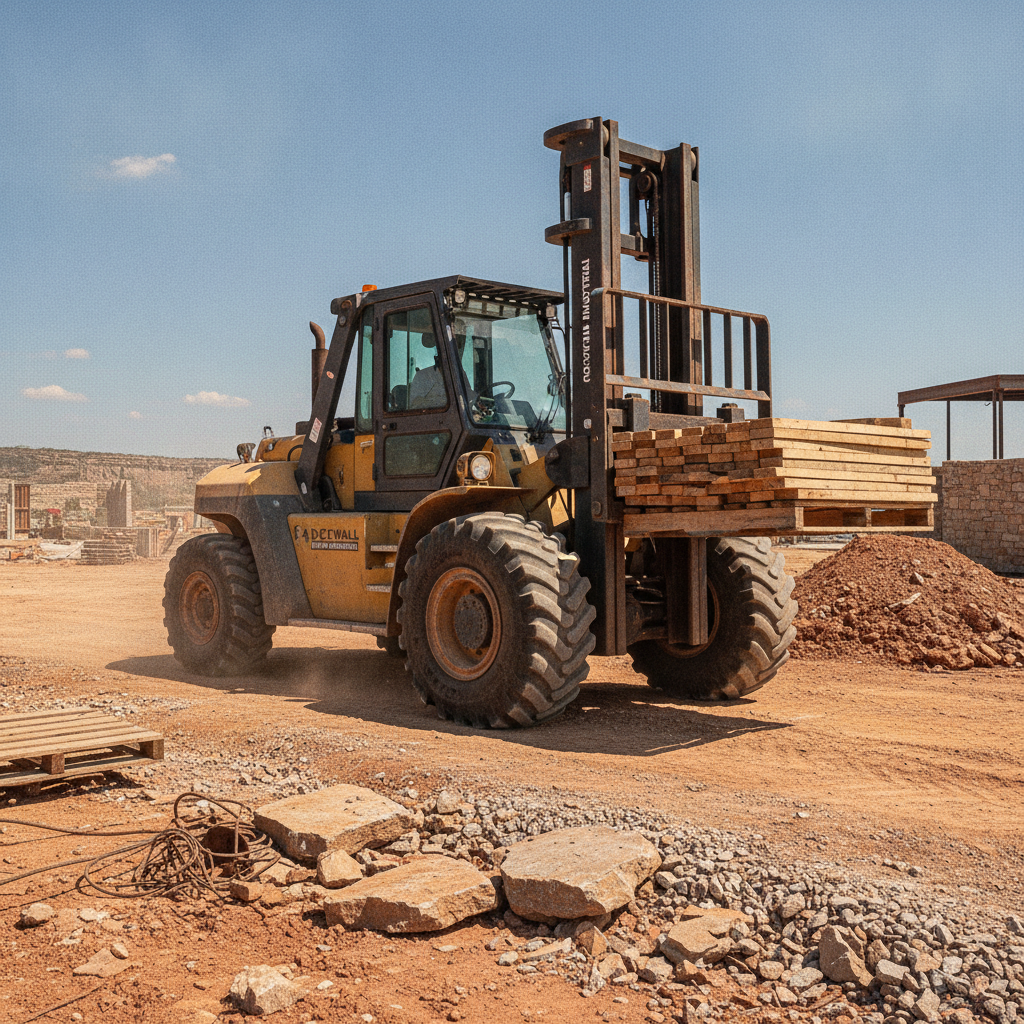
Outdoor projects in Texas come with their own set of challenges, from unpredictable terrain to tight project deadlines. For small business owners, developers, and anyone tackling construction, landscaping, or event setup, having the right equipment is crucial for staying on schedule and ensuring safety. That’s where Forklift Rentals Rockwall TX options truly shine. Rough terrain forklifts, in particular, have become a game-changer for outdoor work. These machines are designed to handle uneven surfaces, mud, gravel, and steep grades that would leave standard forklifts spinning their wheels. Whether you’re moving pallets of bricks on a new build, transporting landscaping materials across a sprawling site, or setting up for a large outdoor event, the right forklift rental can save time, reduce labor, and keep your project moving forward. In this guide, we’ll explore why rough terrain forklifts are the smart choice for outdoor projects, how to select the best rental for your needs, and what to consider before you commit. If you’re looking to maximize efficiency and keep your team safe, read on to discover how these powerful machines can transform your next project.
What Makes Rough Terrain Forklifts Unique?
Rough terrain forklifts are engineered specifically for outdoor environments that present obstacles standard forklifts can’t handle. Unlike their warehouse counterparts, these machines feature oversized pneumatic tires, higher ground clearance, and robust suspension systems. This design allows them to traverse rocky, muddy, or uneven surfaces with ease. Their powerful engines, usually diesel or gas, deliver the torque needed to climb grades and haul heavy loads across challenging landscapes. Many models include four-wheel drive and advanced steering systems, making them agile even in tight or cluttered job sites.
Another key feature is their reinforced frames and masts, which are built to withstand the jolts and stresses of outdoor work. This durability means less downtime due to mechanical issues and a longer service life, even under tough conditions. For businesses that need to move materials where paved roads and flat surfaces are a luxury, rough terrain forklifts are not just a convenience, they’re a necessity.
Choosing a rental partner with a strong reputation is essential when it comes to these specialized machines. Forklift Rescue is known for offering a range of rugged, well-maintained equipment that’s ready for the demands of outdoor projects. Their expertise ensures you get the right forklift for your specific site conditions, minimizing risk and maximizing productivity.
Key Outdoor Projects That Benefit Most
Rough terrain forklift rentals are invaluable for a wide variety of outdoor projects. Construction sites are perhaps the most obvious example, where moving pallets of bricks, lumber, or steel beams across dirt, gravel, or unfinished surfaces is a daily task. These forklifts excel at lifting heavy materials to upper floors or across uneven ground, reducing manual labor and speeding up timelines.
Landscaping and hardscaping projects also benefit greatly. Whether you’re installing retaining walls, transporting sod, or moving decorative boulders, the stability and power of a rough terrain forklift make the job safer and more efficient. Event planners use these machines for outdoor festivals, concerts, and fairs, where stages, tents, and equipment need to be set up quickly and safely on grass or dirt fields.
Agricultural operations, such as farms and nurseries, rely on rough terrain forklifts to move feed, soil, and supplies across fields. Municipal projects, like roadwork, park construction, or infrastructure upgrades, also demand equipment that can handle unpredictable surfaces and tight deadlines. For any outdoor project where traditional forklifts would struggle, rough terrain models are the clear solution.
Understanding the specific needs of your project helps in selecting the right equipment. For example, if your operation involves frequent starts and stops or intermittent electrical issues, learning more about How Forklift Electrical Diagnostics Help Rockwall Operations Catch Intermittent Failures Early can be invaluable for minimizing downtime.
Comparing Forklift Rentals: What to Look For
Not all forklift rental providers offer the same level of service or equipment quality. When evaluating your options, consider factors like fleet age, maintenance standards, and the range of available models. Newer forklifts tend to offer better fuel efficiency, improved safety features, and greater reliability. Ask about the provider’s maintenance protocols, well-maintained machines are less likely to break down on the job, saving you time and money.
It’s also important to assess the provider’s customer support. Are they responsive if you need a replacement or urgent repair? Do they offer on-site delivery and pickup, or will you need to arrange transport yourself? Some companies go the extra mile by providing operator training, which can be a major asset for teams unfamiliar with rough terrain models.
For those seeking the best value, comparing top local dealers is a smart move. You can find a detailed comparison of leading providers in the area by checking out Top 3 Forklift Dealers in Rockwall, TX for 2026: Eagle, Sunbelt, and URentit Compared. This resource breaks down the strengths of each dealer, helping you make an informed choice for your next rental.
Understanding Load Capacity and Lift Height
Selecting the right rough terrain forklift for your outdoor project means knowing your load requirements. Load capacity and lift height are two of the most critical specifications. Load capacity refers to the maximum weight the forklift can safely lift, while lift height is the maximum elevation the forks can reach. Outdoor projects often involve bulky or heavy materials, so it’s essential to match the forklift’s capabilities to your needs.
For example, a construction site moving pallets of bricks may require a forklift with a 6,000-pound capacity and a 20-foot lift height. In contrast, a landscaping project might only need a 4,000-pound capacity but benefit from a compact model that can maneuver between trees and garden beds. Overestimating your needs can lead to unnecessary rental costs, while underestimating can result in delays or safety hazards.
Always check the manufacturer’s load chart, which details how much weight can be safely lifted at various heights. Remember that lifting a load to the maximum height often reduces the safe capacity, so plan accordingly. If you’re unsure, consult with your rental provider, they can recommend a model that fits your project’s unique demands.
Terrain Challenges and Forklift Adaptations
Outdoor job sites rarely offer the luxury of smooth, level ground. Mud, gravel, sand, and uneven surfaces can all create challenges for material handling. Rough terrain forklifts are designed to overcome these obstacles through several key adaptations. Their large, deeply treaded tires provide traction and stability, even in slippery or loose conditions. High ground clearance allows them to cross ruts, rocks, and debris without getting stuck.
Some models come with four-wheel drive, which distributes power evenly and enables the forklift to climb slopes or navigate soft ground. Articulating frames and advanced suspension systems further enhance maneuverability, making it possible to work safely on sloped or bumpy terrain. These features not only improve productivity but also reduce the risk of accidents or equipment damage.
When choosing a forklift for your outdoor project, consider the specific challenges of your site. Will you be working after rain, in sandy areas, or on steep grades? Discuss these conditions with your rental provider to ensure you select a model equipped to handle the job. The right adaptations can make a dramatic difference in both safety and efficiency.
Safety Considerations for Outdoor Forklift Use
Operating forklifts outdoors introduces unique safety risks that require careful planning and attention. Visibility can be reduced by dust, glare, or weather conditions, so it’s important to choose forklifts with clear sightlines and, if possible, additional lighting. Operators should be trained to recognize hazards such as soft ground, hidden holes, or overhead obstructions like tree branches or power lines.
Personal protective equipment (PPE) is a must for anyone working around rough terrain forklifts. Hard hats, high-visibility vests, and steel-toed boots are standard. Operators should always wear seat belts and avoid carrying passengers unless the forklift is specifically designed for it. Before starting work each day, perform a thorough inspection of the forklift, checking tires, brakes, hydraulics, and safety features.
Weather can change quickly, especially in Texas. Be prepared to halt operations during storms, high winds, or extreme heat. Establish clear communication protocols, use spotters when visibility is limited, and mark off work zones to keep bystanders safe. A proactive approach to safety not only protects your crew but also helps avoid costly delays and equipment damage.
Cost Factors and Budgeting Tips
Budgeting for a rough terrain forklift rental involves more than just the daily or weekly rate. Consider additional costs such as delivery and pickup fees, fuel, and insurance. Some rental agreements include maintenance and repairs, while others require you to cover these expenses. Always read the fine print and ask your provider to clarify what’s included.
To get the best value, compare quotes from several local providers and ask about discounts for longer rental periods or multiple machines. Be realistic about how long you’ll need the equipment, returning a forklift early may not result in a refund, but keeping it longer than planned can add up quickly. Factor in operator wages, training costs, and any downtime due to weather or site conditions.
A well-chosen forklift rental can actually save money by reducing manual labor, speeding up project completion, and minimizing the risk of injury or equipment damage. Work with your rental provider to select the right model and rental period for your needs, and don’t hesitate to negotiate for the best possible terms.
Table: Comparing Rough Terrain Forklift Features
| Feature | Standard Forklift | Rough Terrain Forklift |
|---|---|---|
| Tire Type | Solid or Cushion | Large Pneumatic |
| Ground Clearance | Low | High |
| Drive System | 2WD | 4WD (often) |
| Typical Use | Indoor/Warehouse | Outdoor/Construction |
| Engine Type | Electric, LPG | Diesel, Gas |
| Load Capacity | 3,000–5,000 lbs | 5,000–12,000+ lbs |
| Lift Height | 10–15 ft | 15–30 ft |
This table highlights the primary differences between standard and rough terrain forklifts, helping you determine which type best fits your outdoor project’s needs. Consider these features carefully when discussing options with your rental provider.
Operator Training and Certification
Proper training is crucial for anyone operating a rough terrain forklift. These machines handle differently from standard models, especially when navigating slopes, soft ground, or tight outdoor spaces. Operators should be familiar with the specific controls and safety features of the model they’ll be using. Many rental providers offer on-site or online training programs, which can be tailored to your team’s experience level.
Certification is not just a best practice, it’s often required by law. Make sure your operators have up-to-date credentials and understand the unique risks associated with outdoor forklift use. Training should cover pre-operation inspections, safe driving techniques, load handling, and emergency procedures. Investing in proper training reduces the risk of accidents, protects your investment, and ensures compliance with local regulations.
Consider scheduling refresher courses or hands-on practice sessions before starting a new project. Even experienced operators can benefit from reviewing the latest safety protocols and equipment features. A well-trained team is your best asset for a successful and incident-free outdoor project.
Rental Logistics: Delivery, Pickup, and Support
Coordinating equipment delivery and pickup is a key part of any outdoor project. Many rental providers offer flexible scheduling, allowing you to have the forklift delivered directly to your job site at a time that fits your project timeline. Be sure to provide clear directions and ensure there is adequate space for unloading and maneuvering the equipment.
Ask your provider about their support services. Will they send a technician if the forklift breaks down? How quickly can they respond to service calls? Reliable support can make the difference between a minor hiccup and a major project delay. Some companies offer 24/7 emergency assistance, while others operate only during regular business hours.
It’s also wise to clarify the process for returning the equipment. Will the provider pick it up, or are you responsible for transport? Are there penalties for late returns or equipment damage? Clear communication and thorough documentation help ensure a smooth rental experience from start to finish.
Maximizing Efficiency on Outdoor Sites
To get the most from your rough terrain forklift rental, plan your workflow carefully. Position materials strategically to minimize travel distances and reduce unnecessary trips. Assign a dedicated operator who is familiar with the site layout and equipment controls. Use spotters when visibility is limited, and establish clear communication protocols between team members.
Regular maintenance checks are essential, especially for long-term projects. Inspect tires, hydraulics, and safety features daily, and address any issues promptly. Keep the forklift clean and free of debris to prevent mechanical problems and ensure safe operation. Schedule refueling or battery charging during downtime to avoid interruptions.
Finally, document your equipment usage and track productivity metrics. This data can help you identify bottlenecks, optimize workflows, and make better decisions for future projects. A proactive approach to equipment management leads to smoother operations and better outcomes for your outdoor projects.
Final Thoughts
Rough terrain forklift rentals are an essential asset for outdoor projects in the region, offering the power, stability, and versatility needed to handle challenging environments. By understanding your project’s unique requirements, selecting the right equipment, and working with a reputable rental provider, you can ensure your team stays safe and productive from start to finish. Remember to factor in load capacity, terrain challenges, operator training, and support services when making your decision. With careful planning and the right tools, your next outdoor project can run smoothly, efficiently, and on budget.
Whether you’re building, landscaping, or organizing an event, investing in the right forklift rental is a smart move for any business or project manager. Take the time to assess your needs, compare providers, and prioritize safety, your team and your bottom line will thank you.