
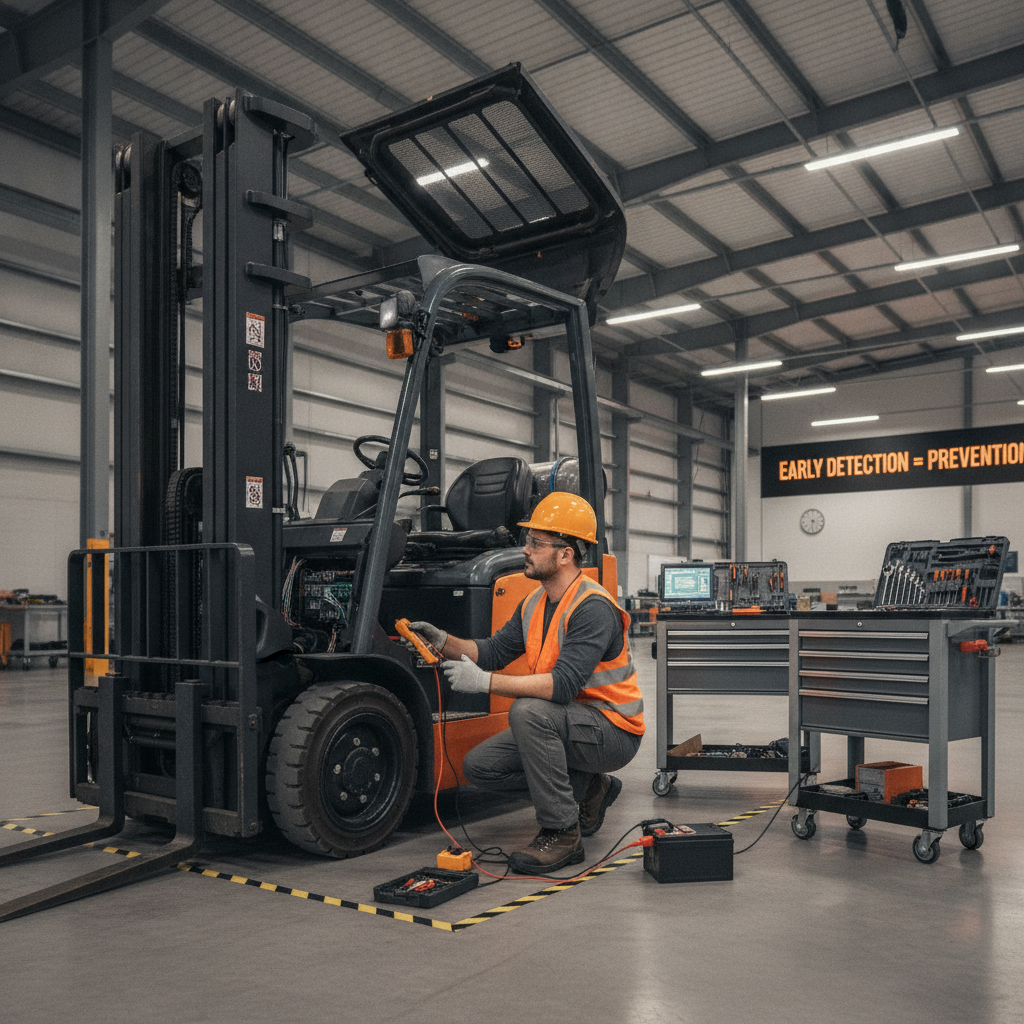
Forklift downtime can bring even the busiest warehouse or small business to a grinding halt. For owners, developers, and managers in the area, catching issues early is the key to keeping operations smooth and costs under control. That’s where forklift electrical diagnostics come in. These advanced tools and techniques allow technicians to spot intermittent failures, those frustrating problems that come and go, before they turn into major breakdowns. If you’ve ever had a forklift suddenly refuse to start or randomly lose power, you know how mysterious electrical gremlins can be. With Forklift Diagnostics Rockwall TX solutions, local businesses are discovering that proactive troubleshooting is not just for the big players. In this article, we’ll explore how modern diagnostic methods are changing the game for small and mid-sized operations, why intermittent issues are so tricky, and what you can do to stay ahead of costly surprises. Whether you own a single lift or manage a whole fleet, understanding the power of early detection could be your best move yet.
Why Intermittent Electrical Failures Are So Hard to Catch
Electrical problems that come and go are among the most challenging issues for any forklift operator or technician. Unlike a flat tire or a dead battery, intermittent failures don’t always leave obvious clues. One minute, your forklift runs perfectly; the next, it hesitates, loses power, or triggers a warning light, then returns to normal as if nothing happened. This unpredictability can frustrate even seasoned mechanics and lead to unnecessary part swaps or extended downtime while the root cause remains hidden.
Common culprits for these elusive problems include loose wiring connections, corroded terminals, faulty sensors, or intermittent shorts in the harness. Environmental factors like humidity, vibration, and temperature swings can make these issues worse, especially in busy warehouse environments. Because these failures are not always present, traditional troubleshooting methods, like visual inspections or basic voltage checks, often miss them entirely.
This is where advanced diagnostics become invaluable. By using specialized tools that monitor electrical signals in real time, technicians can capture data during those brief moments when the fault appears. This approach is far more effective than waiting for a total breakdown or guessing which part might be at fault. For businesses in the region, investing in regular diagnostic checks can mean the difference between a quick fix and days of lost productivity. For a deeper dive into how expert services can help, check out Forklift Rescue.
The Role of Modern Diagnostic Tools in Forklift Maintenance
Gone are the days when diagnosing a forklift’s electrical system meant poking around with a multimeter and a lot of guesswork. Today’s diagnostic tools are sophisticated, portable, and designed to interface directly with a forklift’s onboard computer. These devices can read error codes, monitor live data streams, and even simulate operating conditions to pinpoint where things are going wrong.
For small business owners and warehouse managers, this means technicians can quickly identify not just obvious faults, but the subtle, intermittent issues that might otherwise go undetected. Many modern forklifts now include data ports where diagnostic scanners can be plugged in, giving instant access to information about sensors, relays, actuators, and more. This level of insight allows for targeted repairs, reducing the risk of unnecessary part replacements and minimizing downtime.
The best part? These tools are not limited to large dealerships or manufacturers. Many local service providers have invested in the same technology, making advanced diagnostics accessible to businesses of all sizes. If you’re curious about how local dealers stack up in terms of service and support, see Top 3 Forklift Dealers in Rockwall, TX for 2026: Eagle, Sunbelt, and URentit Compared.
How Early Diagnostics Prevent Costly Forklift Downtime
Downtime is more than just an inconvenience, it can mean missed deadlines, frustrated customers, and lost revenue. For many businesses, the true cost of a forklift sitting idle goes well beyond the price of repairs. That’s why early detection of electrical issues is so valuable. By catching problems before they escalate, you can schedule repairs during planned downtime, avoid emergency service calls, and keep your workflow uninterrupted.
Intermittent electrical failures often signal the early stages of a bigger problem. A loose ground wire today might become a total system failure tomorrow. By using diagnostic tools to monitor and log data over time, technicians can spot trends and address issues proactively. This approach not only saves money but also extends the life of your equipment and improves safety for operators.
For operations considering rental options while their equipment is serviced, it’s important to choose the right type of forklift for your needs. Learn more about the differences between electric and cushion tire models in Electric vs. Cushion Tire Forklifts: Best Rentals for Rockwall Warehouses.
Common Signs Your Forklift Needs Electrical Diagnostics
Recognizing the early warning signs of electrical trouble can help you take action before a minor issue becomes a major headache. Here are some common symptoms that suggest your forklift could benefit from a diagnostic check:
- Intermittent starting problems or random shutdowns
- Flickering or dim dashboard lights
- Unexpected warning lights that reset themselves
- Erratic operation of controls or lift functions
- Unexplained battery drain or charging issues
If you notice any of these symptoms, it’s a good idea to schedule a professional diagnostic session. Even if the problem seems to resolve itself, it’s likely to return, often at the worst possible time. Early intervention can prevent more serious failures and help keep your business running smoothly.
Understanding the Diagnostic Process Step by Step
A thorough electrical diagnostic involves more than just plugging in a scanner and reading codes. Here’s what you can expect when a technician performs a full diagnostic on your forklift:
- Initial interview with the operator to understand the symptoms and when they occur
- Visual inspection of wiring, connectors, and battery terminals for obvious issues
- Connection of diagnostic tools to the forklift’s onboard computer or data port
- Review of stored fault codes and real-time monitoring of system data
- Simulation of operating conditions to replicate the problem if possible
- Analysis of data logs to identify patterns or intermittent faults
- Recommendation of targeted repairs or adjustments based on findings
This systematic approach ensures that no potential issue is overlooked and that repairs are based on solid evidence rather than guesswork.
Comparing Electrical Diagnostics to Traditional Troubleshooting
Traditional troubleshooting methods often rely on trial and error, swapping out parts in hopes of resolving the issue. This can be time-consuming, expensive, and sometimes ineffective, especially with intermittent electrical problems. In contrast, modern diagnostics use data-driven analysis to pinpoint the exact source of the fault.
Let’s compare the two approaches:
| Traditional Troubleshooting | Electrical Diagnostics |
|---|---|
| Visual inspections and basic voltage checks | Live data monitoring and error code analysis |
| Relies on technician experience and intuition | Uses precise measurements and digital records |
| Can lead to unnecessary part replacements | Targets repairs to the actual faulty component |
| May miss intermittent or hidden faults | Captures issues as they occur in real time |
As this comparison shows, investing in electrical diagnostics can save time, money, and frustration for businesses of all sizes.
Benefits for Small Business Owners and Local Warehouses
For small business owners and local warehouse managers, every minute counts. Unlike large corporations with extensive backup fleets, a single forklift out of commission can disrupt your entire workflow. That’s why early electrical diagnostics offer such a compelling advantage for this community.
Some of the key benefits include:
- Reduced risk of unexpected breakdowns
- Lower repair costs by addressing issues early
- Improved safety for operators and staff
- Longer equipment lifespan through proactive maintenance
- Less disruption to daily operations and customer service
By making diagnostics part of your regular maintenance routine, you can stay ahead of the curve and avoid the stress and expense of emergency repairs. Many local service providers now offer mobile diagnostic services, making it easier than ever to keep your equipment in peak condition without taking it offsite.
What to Expect During a Professional Diagnostic Visit
When you schedule a professional diagnostic session, the technician will arrive equipped with specialized tools and software tailored to your forklift’s make and model. The process usually begins with a discussion about the symptoms you’ve observed, followed by a thorough inspection of the electrical system.
The technician will connect diagnostic equipment to the forklift’s onboard computer, retrieve fault codes, and monitor real-time data as the machine operates. In some cases, they may ask you to demonstrate the issue or operate the forklift under specific conditions to replicate the fault. Once the data is collected, the technician will analyze the results and recommend targeted repairs or adjustments.
Expect clear communication throughout the process, including a detailed explanation of any findings and a written report you can reference for future maintenance. This transparency helps you make informed decisions about repairs and budgeting.
How to Choose the Right Diagnostic Service Provider
Selecting a qualified diagnostic service provider is crucial for getting accurate results and reliable repairs. Look for technicians with experience on your specific forklift brand and model, as well as access to the latest diagnostic tools and software.
Ask potential providers about their training, certifications, and whether they offer mobile service for on-site diagnostics. It’s also a good idea to check reviews or ask for references from other businesses in the neighborhood. A reputable provider will be transparent about their process, turnaround times, and pricing.
Don’t be afraid to ask questions about how they handle intermittent issues and what steps they take if the problem can’t be replicated during the visit. The right partner will work with you to develop a maintenance plan that fits your schedule and budget, helping you avoid future surprises.
Integrating Diagnostics Into Your Preventive Maintenance Plan
While many businesses only call for diagnostics when a problem arises, integrating these checks into your regular preventive maintenance plan can provide even greater benefits. By scheduling periodic diagnostic scans, you can catch developing issues before they cause any symptoms at all.
Preventive diagnostics can be coordinated with other routine maintenance tasks, such as oil changes, battery checks, and safety inspections. This holistic approach ensures that your forklifts are always operating at peak efficiency and reduces the likelihood of unexpected failures.
Some service providers offer maintenance contracts that include regular diagnostic sessions, making it easy to stay on top of your equipment’s health. This proactive strategy is especially valuable for businesses with older forklifts or those operating in demanding environments where electrical issues are more common.
Final Thoughts
Electrical issues don’t have to be a mystery or a source of constant stress for business owners and warehouse managers. With the right approach to forklift electrical diagnostics, you can catch intermittent failures early, avoid costly breakdowns, and keep your operations running smoothly. By investing in modern diagnostic tools and partnering with experienced local technicians, even small businesses can benefit from the same level of insight and efficiency as larger operations. Remember, the sooner you address electrical problems, the less likely they are to disrupt your workflow or impact your bottom line. Make diagnostics a regular part of your maintenance routine, and you’ll be well-equipped to handle whatever challenges come your way.